


As a supplier of webbing slings, I've had my fair share of experiences in dealing with both the product itself and the diverse needs of our customers. One question that often pops up is, "What is the best way to test webbing slings?" Well, let's dive right into it.
Understanding the Importance of Testing
First off, why is testing webbing slings so crucial? Simply put, it's all about safety. Webbing slings are used in various industries, from construction to manufacturing, to lift and move heavy loads. A faulty sling can lead to disastrous consequences, such as dropped loads, injuries, and even fatalities. So, ensuring that our slings are in top - notch condition is non - negotiable.
Visual Inspection: The First Step
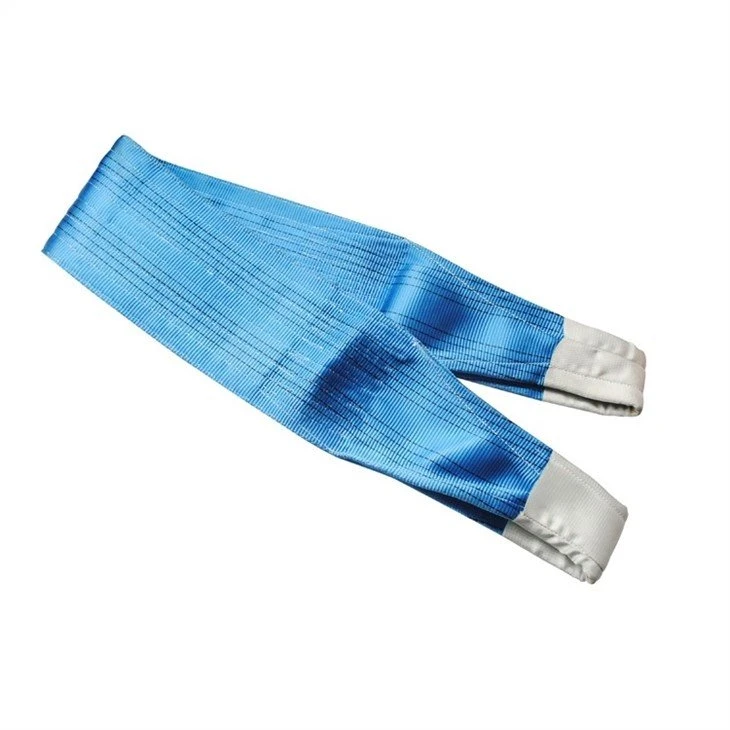
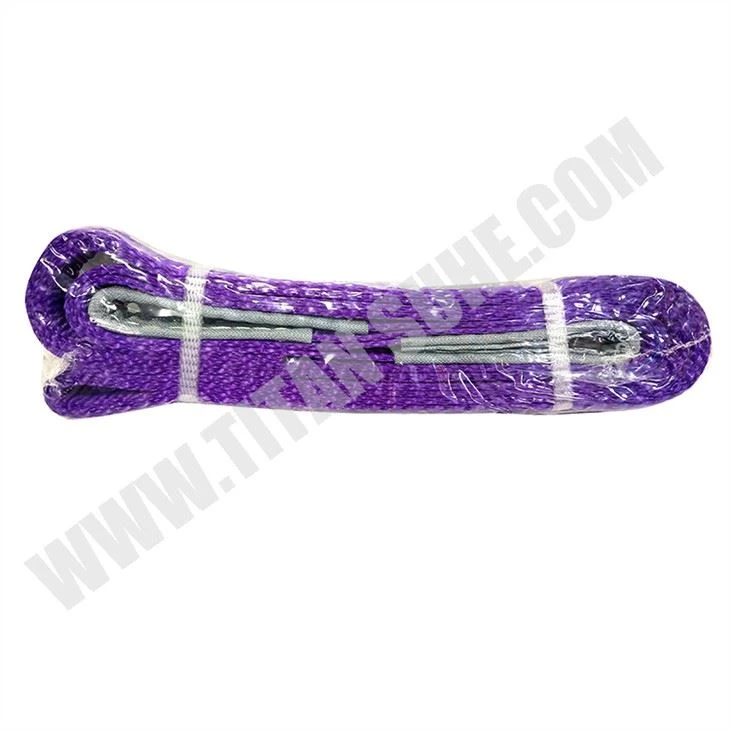
The easiest and quickest way to start testing a webbing sling is through a visual inspection. Before each use, take a good look at the sling. Check for any signs of wear and tear, like fraying, cuts, abrasions, or burns. These damages can significantly weaken the sling's strength and make it unsafe for use.
Also, pay attention to the stitching. Loose or damaged stitches can cause the sling to come apart under load. If you spot any of these issues, it's best to take the sling out of service right away. Remember, it's better to be safe than sorry.
Load Testing: The Real Deal
Visual inspection is great, but it only goes so far. Load testing is the next step in ensuring the integrity of our webbing slings. There are two main types of load testing: initial proof load testing and periodic load testing.
Initial Proof Load Testing
When a new webbing sling is manufactured, it undergoes an initial proof load test. This test involves applying a load that is higher than the sling's rated capacity for a specified period. For example, if a sling has a rated capacity of 1 ton, it might be tested with a load of 1.25 tons or more. This test helps to identify any manufacturing defects and ensures that the sling can handle the loads it is designed for.
Periodic Load Testing
After the initial test, regular periodic load testing is necessary. The frequency of this testing depends on several factors, such as the type of environment the sling is used in, the frequency of use, and the manufacturer's recommendations.
During a periodic load test, the sling is loaded with its rated capacity to check if it can perform as expected. The test should be carried out under controlled conditions, using calibrated equipment. If the sling fails the test, it should be removed from service and replaced.
Material Testing
Apart from load testing, material testing is also important. Webbing slings are typically made from polyester or other synthetic materials. Over time, these materials can degrade due to factors like exposure to sunlight, chemicals, and high temperatures.
To test the material, samples can be taken from the sling and analyzed in a laboratory. This can help determine the strength and integrity of the material. If the material has degraded beyond an acceptable level, the sling should be replaced.
Testing Equipment
To carry out these tests, we need the right equipment. For visual inspection, all you really need is a good pair of eyes and maybe a magnifying glass for a closer look. But for load testing, you'll need a calibrated load cell or a testing machine.
A load cell is a device that measures the force applied to it. It's connected to the sling during the load test, and it provides accurate readings of the load. A testing machine, on the other hand, is a more sophisticated piece of equipment that can apply a controlled load to the sling and record the results.
Standards and Regulations
When testing webbing slings, it's important to follow the relevant standards and regulations. Different countries and industries may have their own specific requirements. For example, in Europe, the EN standards play a significant role in ensuring the safety and quality of webbing slings. You can find more about En Standard Polyester Webbing Slings on our website.
These standards cover everything from the design and manufacturing of the slings to the testing procedures. By adhering to these standards, we can ensure that our slings are safe and reliable.
Our Product Range
At our company, we offer a wide range of webbing slings. Our Webbing Belt for Sling is known for its high - quality material and excellent performance. It's designed to withstand heavy loads and harsh working conditions.
Another popular product is our 1t Eye Type Polyester Flat Webbing Sling. It's a versatile sling that can be used in various lifting applications. We ensure that all our products are thoroughly tested before they reach our customers.
Conclusion
Testing webbing slings is a multi - step process that involves visual inspection, load testing, and material testing. By following the right procedures and using the appropriate equipment, we can ensure the safety and reliability of our slings.
If you're in the market for high - quality webbing slings or have any questions about testing procedures, don't hesitate to contact us. We're here to help you make the right choice and ensure that your lifting operations are as safe as possible.
References
- Industry safety guidelines for lifting equipment
- Manufacturer's instructions for webbing slings
- EN standards for polyester webbing slings





