


Hey there! As a load binder supplier, I get a ton of questions from folks in the industry. One question that pops up a lot is whether a load binder can be used in wet conditions. It's a valid concern, and I'm here to break it down for you.
Understanding Load Binders
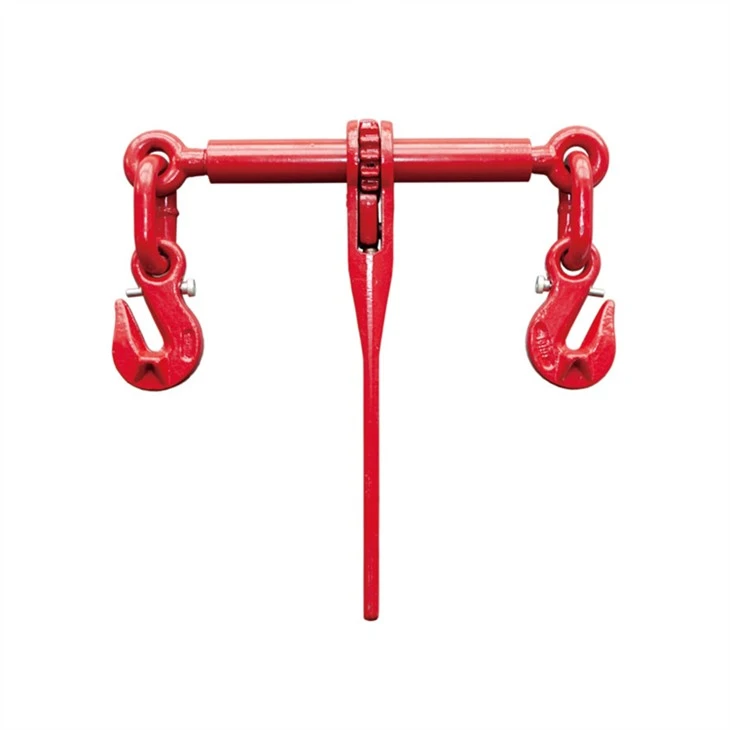
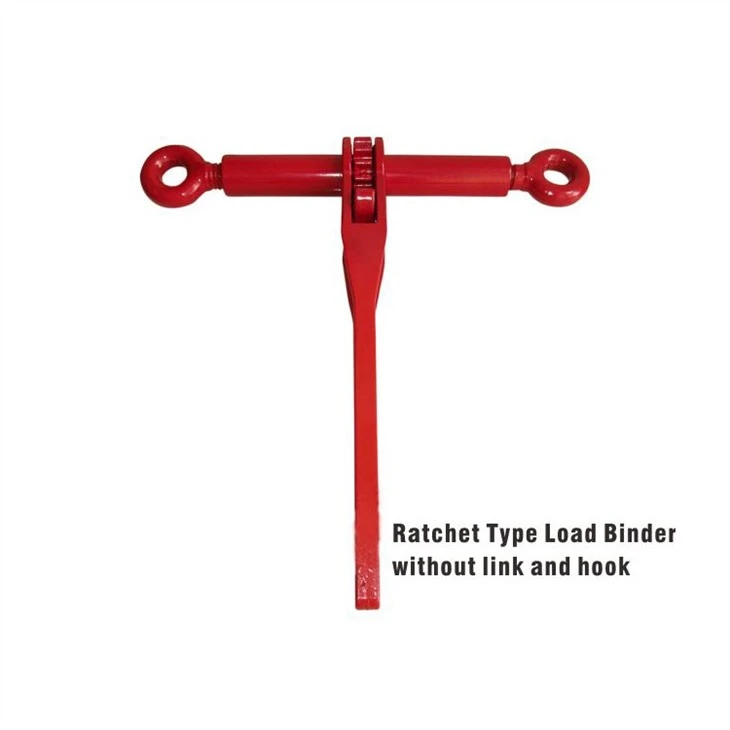
First things first, let's talk about load binders. Put simply, load binders are tools used to secure heavy loads during transportation. They're super important, especially in industries like construction, agriculture, and shipping, where moving large items safely is a must. There are different types out there, like the Lashing Chain Tension Lever, Ratchet Type Chain Load Binder, and Quick Binder Chain Binder. Each type has its own features and uses, but they all have one thing in common: getting the job of securing loads done.
The Effects of Wet Conditions on Load Binders
When it comes to wet conditions, it's crucial to understand how moisture can mess with load binders. Water and metal don't always play well together. Here are a few things that can happen:
Corrosion
One of the biggest threats in wet conditions is rust. When a load binder is exposed to water for a long time, it can start to rust. Rust weakens the metal, making the load binder less reliable. A rusted load binder might not be able to hold the same amount of weight as it used to, which is a huge safety risk. If you're transporting heavy loads and the load binder fails because of rust, it could lead to serious accidents.
Reduced Friction
In dry conditions, load binders rely on friction to stay in place and hold the load securely. But when everything gets wet, that friction can be reduced. For example, if the chain on a chain load binder is wet, it might slip more easily, which means the load might not be as secure as it should be. This is especially dangerous when you're driving on bumpy roads or making sharp turns.
Malfunction
Moisture can also cause the moving parts of a load binder to malfunction. If water gets into the gears or the ratchet mechanism of a ratchet-type load binder, it can make the parts stick or not work smoothly. This can make it difficult to tighten or loosen the load binder, and in some cases, it might even render the tool completely useless.
Using Load Binders in Wet Conditions: Is it Possible?
The short answer is yes, but with some important caveats. If you absolutely have to use a load binder in wet conditions, here are some steps you can take to minimize the risks:
Choose the Right Type
Some load binders are better suited for wet conditions than others. For example, load binders made from stainless steel or galvanized steel are more resistant to rust. So, if you know you'll be working in wet environments often, it might be worth investing in these types of load binders.
Inspect Regularly
Before and after each use in wet conditions, you should inspect the load binder carefully. Look for signs of rust, damage, or malfunction. Check the chain for any signs of wear or weakening. If you notice anything wrong, don't use the load binder until it's been repaired or replaced.
Keep it Dry
As soon as you're done using the load binder, dry it thoroughly. Use a clean cloth to wipe off any water, and if possible, let it air dry in a dry place. You can also apply a rust inhibitor or lubricant to help protect the metal from rusting.
Follow the Manufacturer's Instructions
Every load binder comes with a set of instructions from the manufacturer. Make sure you read and follow these instructions carefully, especially when it comes to using the load binder in wet conditions. The manufacturer might have specific recommendations or precautions you need to take.
Benefits of Taking Precautions
If you take the time to follow these precautions, you'll see several benefits. First of all, you'll extend the lifespan of your load binders. By preventing rust and damage, you won't have to replace them as often, which can save you money in the long run. Second, you'll keep your loads secure. A well-maintained load binder is less likely to fail, which means you can transport your loads safely without worrying about accidents. Finally, you'll comply with safety regulations. Many industries have strict safety regulations when it comes to transporting heavy loads, and using properly maintained load binders is a key part of compliance.
Our Company's Quality Load Binders
At our company, we're proud to offer high-quality load binders that can stand up to tough conditions, including wet environments. Our Lashing Chain Tension Lever, Ratchet Type Chain Load Binder, and Quick Binder Chain Binder are made from top-notch materials and are designed to be durable and reliable. We put our products through rigorous testing to make sure they meet the highest standards of quality and safety.
Reach Out for Your Binder Needs
If you're in the market for load binders, whether you need them for regular use in dry conditions or for those occasional wet jobs, we're here to help. Our team is knowledgeable and friendly, and we can answer all your questions about load binders and their use in different conditions. Just reach out to us, and we'll work with you to find the perfect load binders for your specific needs. Whether you're a small business or a large corporation, we have the products and the expertise to keep your loads secure.
In conclusion, while using load binders in wet conditions is possible, it's important to be aware of the risks and take the necessary precautions. By choosing the right load binders, inspecting them regularly, keeping them dry, and following the manufacturer's instructions, you can use load binders safely and effectively even when it's wet outside. Don't hesitate to get in touch with us if you have any questions or if you're ready to make a purchase. We're looking forward to helping you with all your load binder needs!
References
- Construction Equipment Owners' Manuals
- Safety Standards for Heavy Load Transportation
- Metal Corrosion and Protection Guides





