


Hey there! As a supplier of Rachet Tie Downs, I've seen my fair share of these handy tools get damaged over the years. Whether it's due to regular wear and tear, rough handling, or an unexpected accident, a damaged ratchet tie down can be a real headache. But don't worry! In this blog post, I'm gonna walk you through the steps on how to repair a damaged Rachet Tie Down.
Step 1: Assess the Damage
The first thing you gotta do is take a good look at the tie down and figure out what's wrong with it. Is the strap torn or frayed? Are the hooks bent or broken? Is the ratchet mechanism not working properly? By identifying the specific issue, you'll be able to determine the best course of action for repair.
If the strap is torn or frayed, you might be able to fix it by trimming the damaged part and reattaching the end. However, if the damage is extensive, you may need to replace the entire strap. You can find high-quality replacement straps like the Ratchet Tie Down Straps with Wire Hooks on our website.
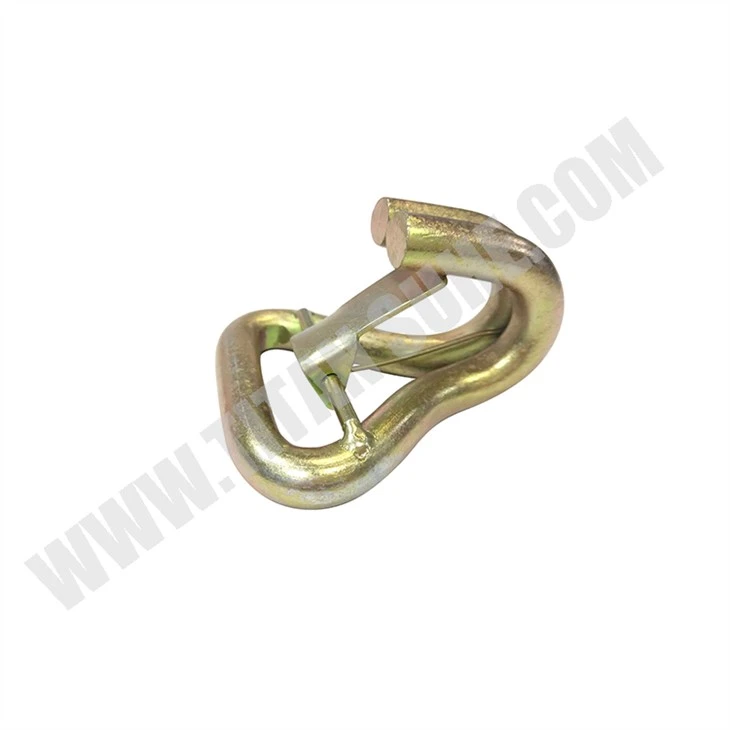
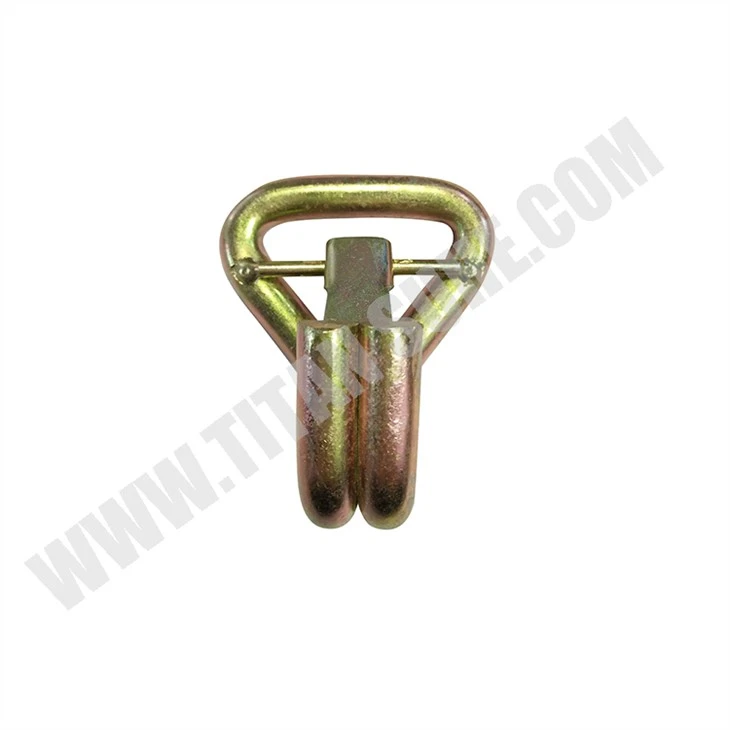
If the hooks are bent or broken, they'll need to be replaced. We offer a variety of hooks, including the 2 Inch J Hook, which are made from durable materials to ensure long-lasting performance.
If the ratchet mechanism is malfunctioning, it could be due to a number of reasons, such as dirt, debris, or a broken part. In this case, you'll need to disassemble the ratchet and clean it thoroughly. You may also need to replace any damaged parts, like the Galvanized Ratchet Buckles.
Step 2: Gather Your Tools
Once you've assessed the damage and determined what needs to be repaired or replaced, it's time to gather your tools. You'll typically need a few basic tools, such as a pair of scissors or a utility knife for cutting the strap, a screwdriver for disassembling the ratchet, and a pair of pliers for bending or straightening the hooks.
It's also a good idea to have some replacement parts on hand, such as straps, hooks, and ratchet buckles. This way, you can make the necessary repairs right away without having to wait for the parts to arrive.
Step 3: Repair or Replace the Strap
If the strap is torn or frayed, start by cutting off the damaged part using a pair of scissors or a utility knife. Make sure to cut the strap at a clean angle to prevent further fraying.
Next, you'll need to reattach the end of the strap. There are a few different ways to do this, depending on the type of strap and the hardware you're using. One common method is to use a strap buckle or a ratchet buckle. Simply thread the end of the strap through the buckle and tighten it according to the manufacturer's instructions.
If you're replacing the entire strap, make sure to choose a strap that is the same length and width as the original strap. You can also choose a strap with different features, such as a different type of hook or a higher weight capacity, depending on your specific needs.
Step 4: Repair or Replace the Hooks
If the hooks are bent or broken, you'll need to replace them. Start by removing the old hooks from the strap using a pair of pliers. Make sure to grip the hook firmly and pull it straight out to avoid damaging the strap.
Next, attach the new hooks to the strap. You can do this by threading the end of the strap through the hook and securing it with a knot or a buckle. Make sure to tighten the knot or buckle securely to prevent the hook from coming loose.
Step 5: Repair or Replace the Ratchet Mechanism
If the ratchet mechanism is malfunctioning, you'll need to disassemble it and clean it thoroughly. Start by removing the screws or bolts that hold the ratchet together using a screwdriver. Carefully separate the two halves of the ratchet and remove any dirt, debris, or rust using a brush or a cloth.
Once the ratchet is clean, you can inspect the individual parts for damage. If any parts are broken or worn out, you'll need to replace them. You can find replacement parts, such as ratchet buckles and pawls, on our website.
After replacing the damaged parts, reassemble the ratchet and test it to make sure it's working properly. Make sure to tighten the screws or bolts securely to prevent the ratchet from coming apart.
Step 6: Test the Repaired Tie Down
Once you've completed all the necessary repairs, it's time to test the tie down to make sure it's working properly. Start by attaching the tie down to a secure anchor point and tightening it using the ratchet mechanism. Make sure the strap is tight and the hooks are securely attached.
Next, apply some tension to the tie down to make sure it can hold the load. You can do this by pulling on the strap or by using a weight to simulate the load. If the tie down holds the load without any issues, it's ready to use.
Conclusion
Repairing a damaged Rachet Tie Down is a relatively simple process that can save you time and money. By following the steps outlined in this blog post, you can easily repair or replace the strap, hooks, and ratchet mechanism of your tie down and get it back in working condition.
If you have any questions or need further assistance with repairing your Rachet Tie Down, please don't hesitate to contact us. We're here to help you find the right parts and provide you with the support you need to keep your tie downs in top shape.
If you're in the market for new Rachet Tie Downs or replacement parts, be sure to check out our website. We offer a wide range of high-quality tie downs and accessories at competitive prices. Whether you need a simple tie down for a small project or a heavy-duty tie down for a large load, we've got you covered.
So, what are you waiting for? Contact us today to discuss your specific needs and get a quote for your next purchase. We look forward to working with you!
References
- General knowledge about ratchet tie down repair and maintenance.





