


Hey there! As a supplier of freight elevators, I've seen firsthand the importance of fire safety in these essential pieces of equipment. Freight elevators are used in a wide range of industries, from manufacturing and warehousing to retail and hospitality. They carry heavy loads and operate in high-traffic areas, which means that fire safety is not just a nice-to-have but a must-have. In this blog post, I'll be sharing some key fire-safety measures for freight elevators.
1. Fire-Resistant Construction
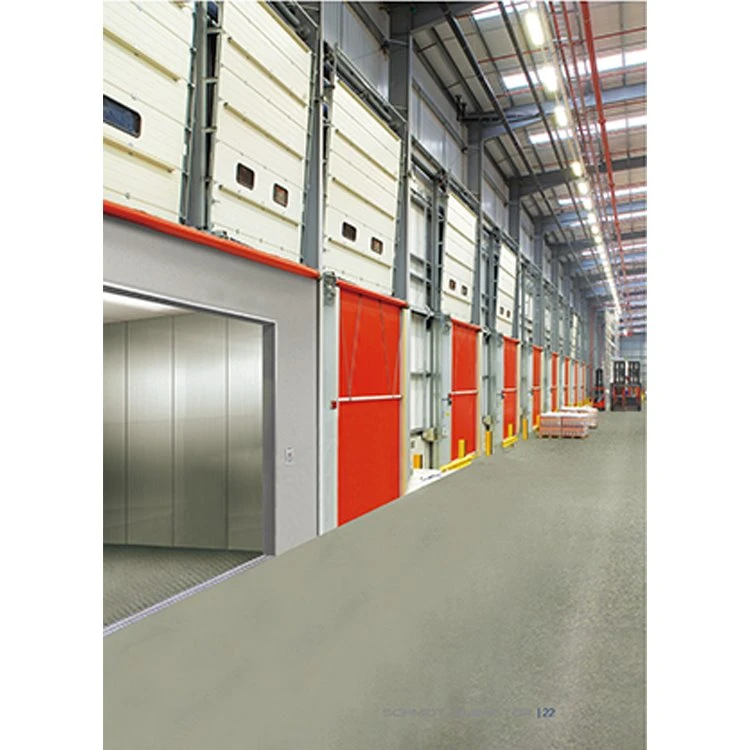
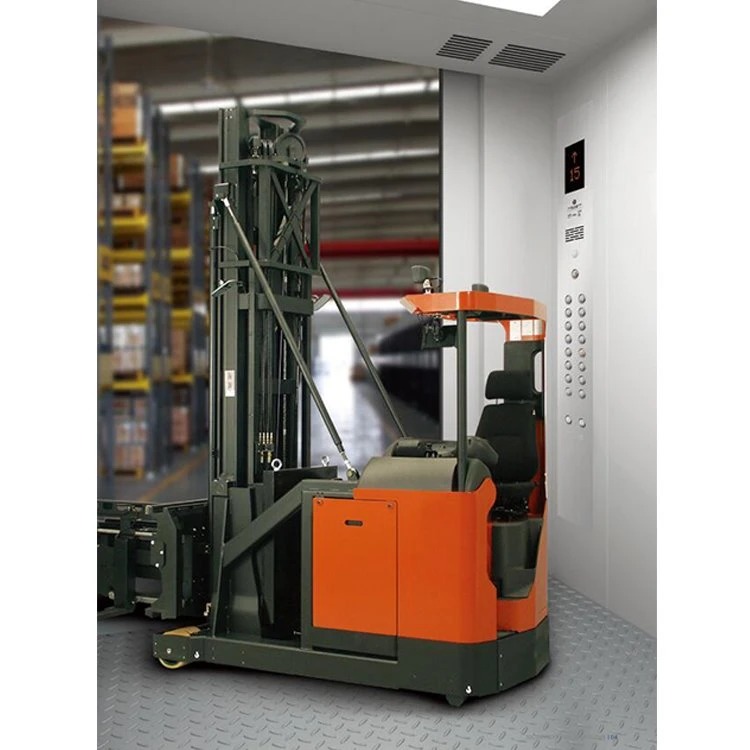
One of the first steps in ensuring fire safety for freight elevators is to use fire-resistant materials in their construction. This includes the elevator car, the hoistway, and the doors. Fire-resistant materials can help prevent the spread of fire and smoke, giving people more time to evacuate in case of an emergency.
For example, the elevator car should be made of fire-rated materials that can withstand high temperatures for a certain period. The hoistway, which is the shaft through which the elevator travels, should also be fire-resistant. This can be achieved by using fire-rated walls and floors. And the elevator doors should be designed to close tightly and prevent the passage of smoke and flames.
2. Automatic Fire Sprinklers
Installing automatic fire sprinklers in the elevator hoistway and the elevator car is another crucial fire-safety measure. Sprinklers can detect the presence of fire and automatically release water to extinguish it. This can help prevent the fire from spreading and causing more damage.
In the hoistway, sprinklers can be installed along the walls and ceiling. They should be designed to cover the entire area of the hoistway to ensure that any fire is quickly detected and extinguished. In the elevator car, sprinklers can be installed on the ceiling. They should be able to provide adequate coverage to protect the passengers and the cargo.
3. Smoke Detectors
Smoke detectors are an essential part of any fire-safety system. They can detect the presence of smoke and alert the building occupants and the fire department. In freight elevators, smoke detectors should be installed in the elevator car, the hoistway, and the machine room.
The smoke detectors should be tested regularly to ensure that they are working properly. They should also be connected to a central monitoring system so that the building management can be notified immediately in case of a fire.
4. Emergency Stop Buttons
Emergency stop buttons are another important fire-safety feature in freight elevators. They allow the passengers and the operators to stop the elevator in case of an emergency. The emergency stop buttons should be clearly marked and easily accessible.
In addition to the emergency stop buttons in the elevator car, there should also be emergency stop buttons in the hoistway and the machine room. This ensures that the elevator can be stopped from anywhere in the system in case of a fire or other emergency.
5. Fire-Resistant Cables and Wiring
The cables and wiring in freight elevators are another potential source of fire. To prevent fires from starting in the electrical system, it's important to use fire-resistant cables and wiring. These cables and wiring are designed to withstand high temperatures and prevent the spread of fire.
The cables and wiring should be installed by a qualified electrician and should be regularly inspected to ensure that they are in good condition. Any damaged or worn cables and wiring should be replaced immediately.
6. Regular Maintenance and Inspections
Regular maintenance and inspections are essential for ensuring the fire safety of freight elevators. The elevator should be inspected by a qualified technician at least once a year. During the inspection, the technician will check the fire-safety features of the elevator, such as the sprinklers, smoke detectors, and emergency stop buttons.
In addition to the annual inspection, the elevator should also be maintained regularly. This includes lubricating the moving parts, checking the cables and wiring, and testing the safety features. Regular maintenance can help prevent fires from starting and ensure that the elevator is operating safely.
7. Training for Operators and Users
Finally, it's important to provide training for the operators and users of freight elevators. The operators should be trained on how to operate the elevator safely and how to respond in case of a fire. They should also be familiar with the fire-safety features of the elevator, such as the emergency stop buttons and the sprinklers.
The users of the elevator should also be educated on the fire-safety procedures. They should know what to do in case of a fire, such as how to use the emergency stop buttons and how to evacuate the elevator safely.
Types of Freight Elevators and Their Fire-Safety Considerations
When it comes to freight elevators, there are two main types: Machine Roomless Freight Elevator and Machine Room Freight Elevator.
Machine Roomless Freight Elevators are becoming increasingly popular because they save space and are more energy-efficient. However, they also present some unique fire-safety challenges. Since there is no separate machine room, the elevator components are located within the hoistway. This means that any fire in the hoistway can quickly spread to the elevator components. To address this, it's important to use fire-resistant materials in the construction of the elevator and to install automatic fire sprinklers and smoke detectors in the hoistway.
Machine Room Freight Elevators have a separate machine room where the elevator machinery is located. This provides an additional layer of protection in case of a fire. However, the machine room itself needs to be fire-resistant and equipped with fire-safety features such as sprinklers and smoke detectors.
Conclusion
Fire safety is a critical aspect of freight elevator operation. By implementing the fire-safety measures discussed in this blog post, you can help ensure the safety of your passengers, your cargo, and your building. Whether you're considering a Machine Roomless Freight Elevator or a Machine Room Freight Elevator, make sure to prioritize fire safety.
If you're in the market for a freight elevator and want to learn more about our products and how we can help you ensure fire safety, don't hesitate to reach out. We're here to answer your questions and guide you through the procurement process.
References
- National Fire Protection Association (NFPA) codes and standards related to elevator safety
- Elevator industry best practices and guidelines





