


Riggings play a crucial role in the overall performance and maneuverability of a ship. As a riggings supplier, I have witnessed firsthand how different types of riggings can impact a ship's ability to navigate through various conditions. In this blog post, I will explore the ways in which riggings affect the maneuverability of a ship, and how choosing the right riggings can enhance a ship's performance.
The Basics of Ship Maneuverability
Before delving into the impact of riggings on ship maneuverability, it's important to understand the basics of what maneuverability means in the context of a ship. Maneuverability refers to a ship's ability to change its course, speed, and direction in response to the commands of the crew. This includes the ability to turn, stop, and reverse, as well as the ability to maintain a steady course in different weather and sea conditions.
Several factors influence a ship's maneuverability, including its hull design, propulsion system, and the skill of the crew. However, riggings also play a significant role in determining how well a ship can be maneuvered.
Types of Riggings and Their Impact on Maneuverability
There are several types of riggings used on ships, each with its own unique characteristics and impact on maneuverability. Here are some of the most common types of riggings and how they affect a ship's ability to maneuver:
Standing Riggings
Standing riggings are the permanent riggings that support the mast and other structures on a ship. They include shrouds, stays, and forestays. These riggings provide stability and support to the mast, allowing the ship to carry sails and other equipment.

The design and tension of standing riggings can have a significant impact on a ship's maneuverability. For example, if the standing riggings are too loose, the mast may sway, making it difficult to control the ship's direction. On the other hand, if the standing riggings are too tight, they can put excessive stress on the mast and other structures, potentially leading to damage.
Properly adjusted standing riggings ensure that the mast remains upright and stable, allowing the ship to sail efficiently and maneuver smoothly. They also help to distribute the forces acting on the ship evenly, reducing the risk of structural damage.
Running Riggings
Running riggings are the riggings that are used to control the sails and other movable parts of the ship. They include sheets, halyards, and guys. These riggings allow the crew to adjust the position and shape of the sails, which in turn affects the ship's speed and direction.
The design and functionality of running riggings are crucial for a ship's maneuverability. For example, a well-designed sheet system allows the crew to quickly and easily adjust the sail's angle, enabling the ship to respond to changes in wind direction. Similarly, a reliable halyard system ensures that the sails can be raised and lowered smoothly, allowing the ship to adapt to different sailing conditions.
In addition, the choice of materials for running riggings can also impact maneuverability. For example, synthetic ropes are often preferred over natural ropes because they are stronger, lighter, and more resistant to wear and tear. This makes them easier to handle and more reliable in challenging conditions.
Rigging Hardware
Rigging hardware includes a variety of components such as hooks, shackles, and ferrules. These components are used to connect different parts of the riggings and ensure that they function properly.
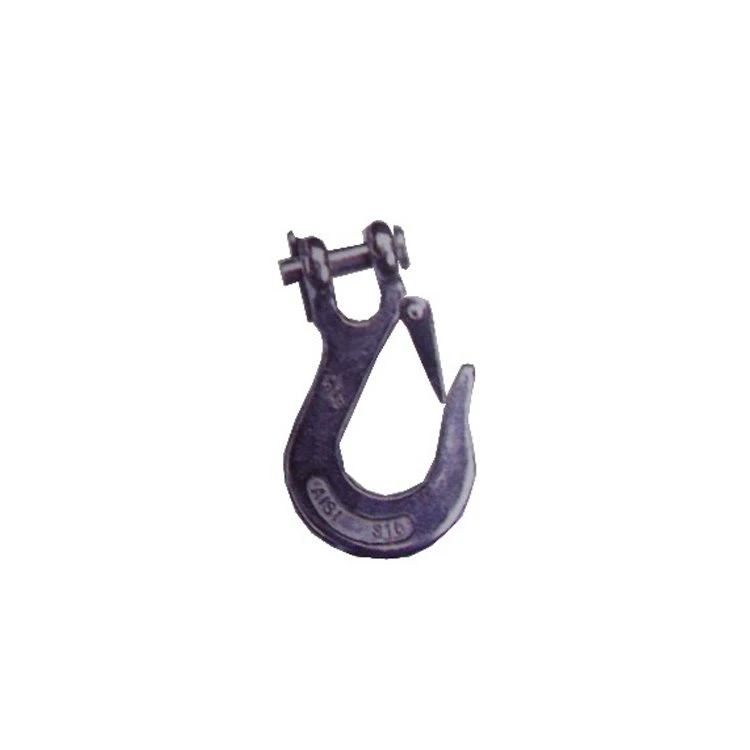
The quality and design of rigging hardware can have a significant impact on a ship's maneuverability. For example, a high-quality hook with a secure latch, such as the 319 Shank Hook with Latch, can prevent the rigging from coming loose during operation, ensuring that the sails and other equipment remain in place. Similarly, a well-designed clevis slip hook with a safety latch, like the Clevis Slip Hook With Safety Latch, can provide a reliable connection between different parts of the rigging, allowing for smooth and efficient operation.
In addition, the use of appropriate rigging hardware can also help to reduce the weight and drag of the rigging, improving the ship's overall performance and maneuverability. For example, aluminum ferrule crimping loop sleeves, such as the Aluminum Ferrule Crimping Loop Sleeves, are lightweight and corrosion-resistant, making them ideal for use in marine environments.
The Importance of Proper Rigging Maintenance
In addition to choosing the right riggings, proper maintenance is also essential for ensuring a ship's maneuverability. Regular inspections and maintenance of the riggings can help to identify and address any potential issues before they become major problems.
This includes checking the tension of the standing riggings, inspecting the running riggings for wear and tear, and ensuring that the rigging hardware is in good working condition. Any damaged or worn riggings should be replaced immediately to prevent accidents and ensure the safety of the crew and the ship.
Conclusion
In conclusion, riggings play a vital role in the maneuverability of a ship. By understanding the different types of riggings and their impact on maneuverability, ship owners and operators can make informed decisions about the riggings they use and ensure that their ships are able to navigate safely and efficiently.
As a riggings supplier, I am committed to providing high-quality riggings and hardware that meet the needs of our customers. If you are interested in learning more about our products or have any questions about how riggings can affect the maneuverability of your ship, please feel free to contact us. We would be happy to discuss your specific requirements and help you choose the right riggings for your vessel.
References
- Smith, J. (2018). Ship Maneuverability: Principles and Practice. Maritime Press.
- Johnson, A. (2019). Rigging Handbook for Sailors. Nautical Publishing.
- Brown, K. (2020). Marine Rigging: A Comprehensive Guide. Seafaring Publications.





