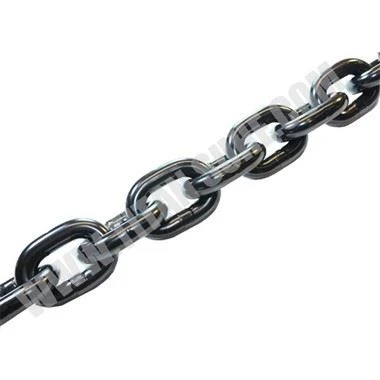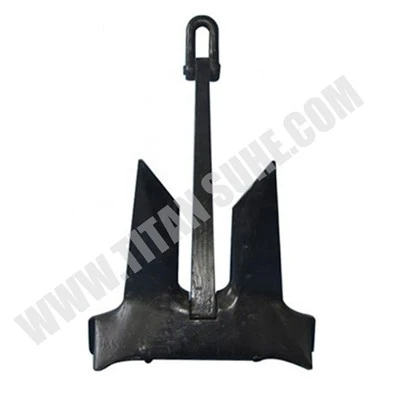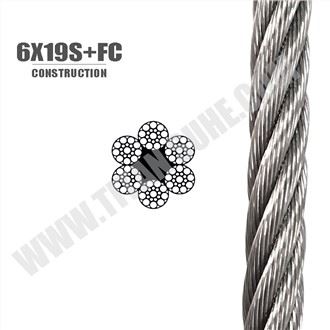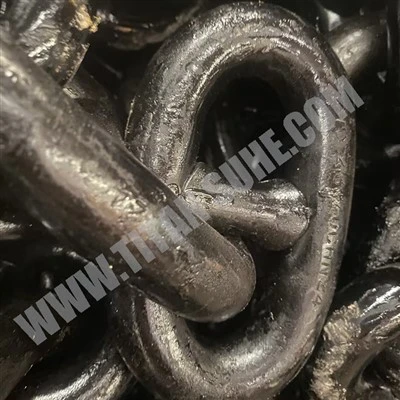
Electric hoists include wire rope hoists and electric chain hoists. The electric hoist can be used for lifting, compiling, loading, and unloading heavy objects, suitable for construction and assembly companies, factories and civil engineering mines and bridge construction, electric power, ships, automobiles, construction, highways, bridges, metallurgy, mines, inclined tunnels, mine protection control, etc. Mechanical equipment infrastructure engineering.
As a lifting device, the electric hoist needs to guard against hidden dangers during operation, and prevent danger from continuing to use an electric hoist that has reached its limit use. When the electric hoist loses one of the following main characteristics, it should be stopped immediately. If the follow-up repair still cannot be used normally, or cannot be repaired at all, it should be dealt with immediately.
Loss of rated lifting capacity
After many years of use, the electric hoist loses its rated capacity due to fatigue and wear. After repairing, the electric hoist still fails to reach the rated capacity or has no repair value, thereby reducing the tonnage and allowing it to be used. It should be scrapped and stopped.
Excessive slippage during braking
When the electric hoist is braked, the sliding amount exceeds the specified value by a large amount. If the specified sliding amount cannot be guaranteed or has no repair value after repair, it should be scrapped and stopped.
Severe irreversible deformation
The main stress components of the electric hoist are permanently deformed due to years of use, fatigue, or overload damage, which seriously affects the main performance of the electric hoist and loses maintenance costs. It must be scrapped and stopped.
Visible cracks or potential cracks
When the voltage of the main parts of the electric hoist, visible cracks or potential cracks, detect the risk of local repair and replacement, after a period of use, if there are still potentially dangerous cracks or cracks, they should be discarded and stopped.
Serious corrosion
When the electric hoist operates in a corrosive environment, due to the corrosion caused by the electric hoist, the main tension parts have serious corrosion defects, or the thickness and size have been greatly reduced and should be discarded and stopped.
Abnormal shock and vibration
The electric hoist is damaged due to wear, fatigue, and deformation, and abnormal vibration and shock occur during operation. After repair, the abnormal vibration and shock cannot be avoided and should be scrapped and stopped.
Excessive noise
The electric hoist is damaged due to wear, fatigue and deformation, and there is abnormal noise or excessive noise. After repair, the specified noise limit of abnormal noise cannot be guaranteed, and it must be stopped.