Chain slings, wire rope slings, and polyester slings are all lifting equipment, designed for different working conditions. When purchasing lifting equipment, buyers will ask: Which sling can handle the heaviest load? But, capacity alone cannot determines whether a sling is suitable, the right choice depends on factors such as abrasion, temperature, load surface, lifting frequency, and maintenance requirements.
For companies purchasing rigging products for industrial use, the difference between these sling types is not only the material. It affects handling efficiency, inspection requirements, service life, and replacement frequency.
In practical lifting operations, a steel manufacturer, a shipyard, and a machinery factory may all lift heavy loads, but they often choose different sling solutions because their working environments are not the same. So next, let TITANSUHE discuss the sling difference in today's article.
Quick Review of The Sling Difference Before Purchasing
Chain slings, wire rope slings, and polyester slings all carry the load between lifting equipment and the object being moved. The difference is how each material reacts under stress. So the selection should be based on the conditions the sling will face after installation, not only the lifting weight.
|
Type |
Main Material |
Common Standard |
Typical Strength |
|
Chain Sling |
alloy steel chain |
EN 818 |
Durability and impact resistance |
|
Wire Rope Sling |
Steel wire rope |
EN 13414 |
Strength with flexibility |
|
Polyester Sling |
Polyester |
EN 1492-1 / EN 1492-2 |
Lightweight and surface protection, Bundling and fixing |
Where Chain Slings Usually More Use
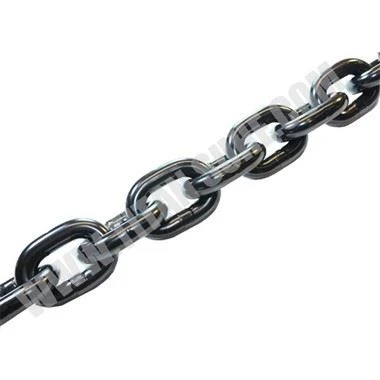
Chain slings are normally selected for demanding environments where resistance to wear and heat is important. Grade 80 and Grade 100 alloy chains both can be used for industrial lifting applications. Chain sling assemblies are evaluated according to chain size, grade, working load limit, and component compatibility.
For example, in steel processing workshop, the load is heavy, the environment contains sharp edges or high temperatures, and the sling experiences repeated impact. In this situation, a chain sling is often more practical than a textile alternative.
The trade-off is weight. A chain sling is durable, but it is not the easiest option for frequent manual handling. During inspection, users normally pay attention to: Chain elongation, Cracks or deformation, Hook damage, Excessive wear.

Why Wire Rope Slings Be Common In Crane Operations
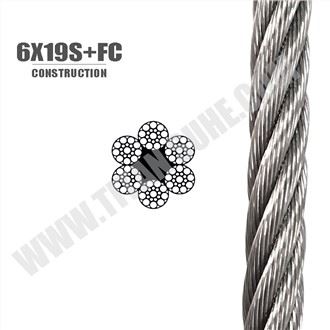
Wire rope slings have been used in lifting industries for decades because they offer a balance between strength and flexibility. Their performance depends heavily on rope construction.
Like 6×19 wire rope structure, it generally contains fewer, larger wires, and has better resistance against abrasion. A 6×37 construction uses more smaller wires, improving flexibility when the rope needs to bend repeatedly. For heavy-duty lifting where crushing resistance is important, IWRC structures are often considered.This is why wire rope slings are frequently found in: Port lifting operations, Crane applications, Offshore projects,Heavy equipment installation
In these environments, the sling is often exposed to repeated bending rather than only static loading. The main inspection points are broken wires, corrosion, kinks, and deformation.

When polyester Slings Are The Better Choice
Polyester slings solve a different problem. Their main advantage is not maximum strength, but reducing damage to the load while keeping handling simple. There are polyester round slings and webbing slings, which manufactured according to EN 1492-1 and EN 1492-2. They are widely used for equipment where surface protection matters.
For example, a machinery manufacturer may spend significant time finishing and painting equipment before shipment. Using a steel sling directly could create marks on the surface, but a polyester sling provides a softer contact point. So polyester slings are commonly selected for: Painted machinery, Stainless steel products, Finished components, Irregular-shaped loads
However, textile materials require different precautions. Cuts, chemical exposure, heat damage, and UV aging can reduce strength even when the outer appearance seems acceptable.

A common mistake in the procurement process is substituting one type of sling for another simply because the rated load seems similar. Like a 5-ton chain sling and a 5-ton round sling may lift the same weight, but they are designed for completely different purposes. Here are some practical comparisons for buyers:
|
Requirement |
More Suitable Option |
|
High temperature environment |
Chain sling |
|
Heavy abrasion |
Chain sling or wire rope sling |
|
Frequent crane movement |
Wire rope sling |
|
Protecting finished surfaces |
Synthetic sling |
|
Lightweight handling |
Synthetic sling |
Questions Buyers Should Confirm Before Ordering
From a supplier's perspective, many incorrect selections happen because the initial inquiry contains only size and quantity. For example, Need 10 pcs, 5 ton sling.This information is not enough to determine the correct product. Suppliers need to know more complete inquiry normally, includes: Working load limit, Sling length, Fittings, Sling type, Operating environment (If not sure about the type). These details help determine whether the application requires chain, wire rope, or polyester construction.
There is no 100% replacement between chain slings, wire rope slings, and polyester slings. Chain slings are generally chosen for durability and harsh conditions. Wire rope slings remain practical solution where strength and flexibility are both required. polyester slings are preferred when lightweight handling and surface protection are important. For industrial buyers, the most suitable sling is the one that matches the actual working conditions, not simply the one with the highest rated capacity.
FAQ
Q: Can chain slings replace wire rope slings?
A: Not always. The application, lifting method, and environment need to be considered before replacement.
Q: Are polyester round slings suitable for heavy lifting?
A: Yes, when selected according to the rated working load and used within suitable conditions.
Q: What standards are commonly used for lifting slings?
A: Chain slings commonly follow EN 818-2, wire rope slings are often supplied according to EN 13414, and textile slings follow EN 1492 requirements.
Q: What information should buyers provide when requesting a quotation?
A: Load capacity, working length, application and working environment if have