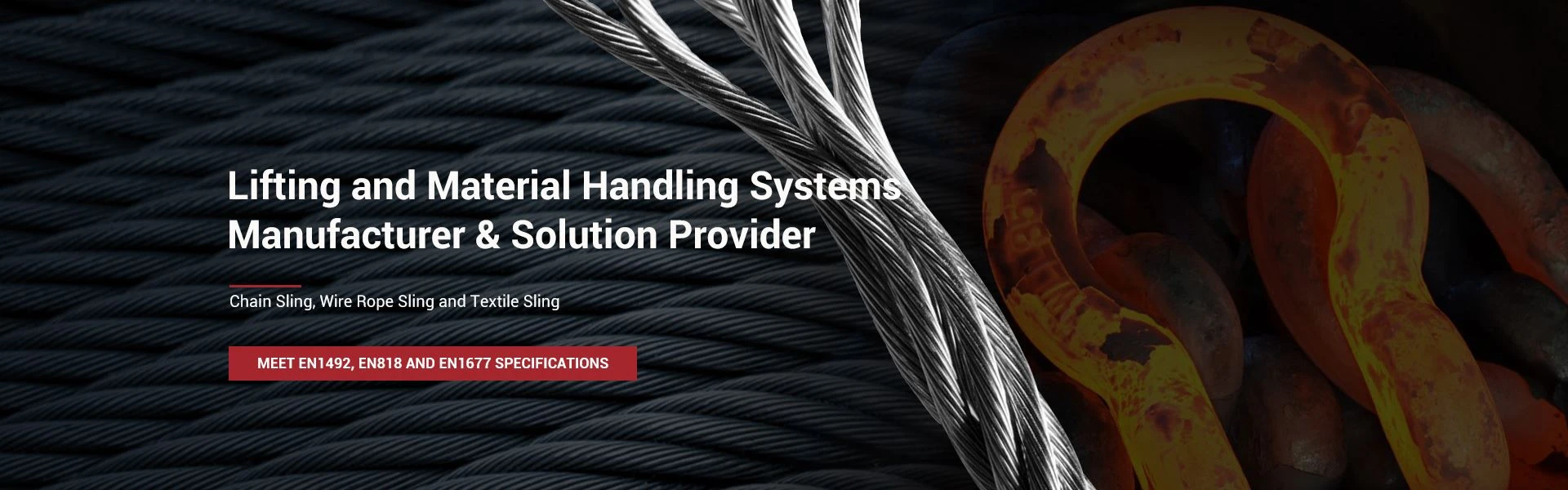
Selecting the right shackle is important for ensuring the safety and efficiency of lifting operations. Shackles are used in various industries for connecting to lifting equipment, but choosing the wrong type can cause equipment damage, poor performance, or even accidents. This guide provides key factors to consider when choosing the right shackle for your lifting needs.
1. Determine the Type of Load and Application
The first step in selecting a shackle is understanding the type of load and the specific application. Shackles are available in different types, each suited for specific tasks:
D Shackles: Best for in-line loads, providing a straightforward, efficient solution for lifting and rigging.
Bow Shackles: Designed for angular loads and multi-leg slings. Ideal for use in more complex rigging setups where the load is distributed across multiple points.
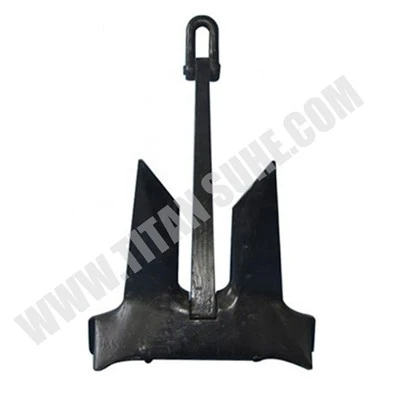
Anchor Shackles: Used for marine applications, specifically for anchoring or securing mooring lines.
Knowing the load's direction and type will guide you in choosing the appropriate shackle.
2. Check the Shackle's Material and Strength
Shackles are typically made from steel alloys, with options like carbon steel, stainless steel, and alloy steel available. Each material has different strengths and is suited for specific environments:
Carbon Steel: Common in standard lifting applications, offering good strength and durability.
Stainless Steel: Ideal for corrosive environments such as marine or offshore operations, due to its excellent corrosion resistance.
Alloy Steel: Provides higher strength for heavy-duty applications where higher load capacities are required.
Ensure that the shackle you choose matches the working load limit (WLL) for your specific load requirements.
3. Consider the Shackle Size and Load Capacity
Shackle size and load capacity are also vital factors. Each shackle is rated for a specific working load limit based on its size and material. The min breaking strength for shackle is 6 times or 4 times of the W.L.L. Overloading a shackle can lead to failure and dangerous conditions. So choose a shackle that exceeds the maximum weight of the load to ensure a safety margin.
4. Choose the Right Pin Type
The pin is an essential component of a shackle. Different types of pins offer varying degrees of security and ease of use:
Screw Pin: Used for temporary or adjustable connections. Ideal for operations where the shackle needs to be disassembled or adjusted.
Bolt-Type Pin: Preferred for permanent connections or high-vibration environments, offering additional security with cotter pins.
Choose a pin type based on the intended application and whether the connection needs to be permanent or removable.
5. Environmental Considerations
Environmental factors play a significant role in determining which shackle is most suitable for your needs. Shackles used in marine or corrosive environments should be made from stainless steel or have a protective galvanized coating to resist corrosion. For applications in extreme temperatures or high-stress environments, consider shackles made from alloy steel or those with special coatings designed for durability.
In Conclusion, to choosing the right shackle for your lifting works and to ensuring both efficiency and safety, should consider factors like load type, material, size, pin type, and environmental conditions when selecting shackles for your operations. By choosing the correct shackle and regularly maintaining your equipment, you can ensure safe, reliable performance and reduce the risk of accidents in your lifting and rigging tasks.