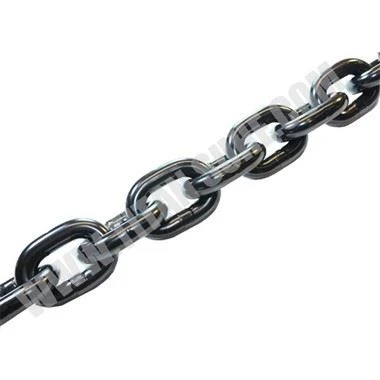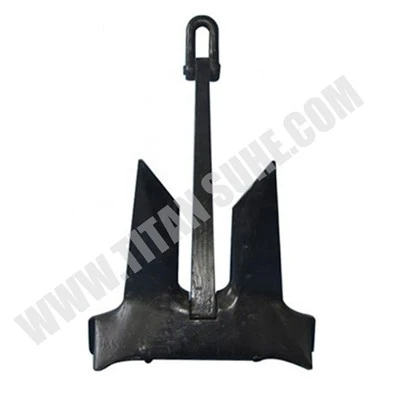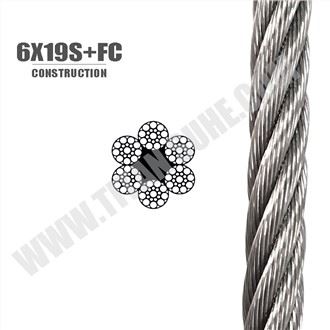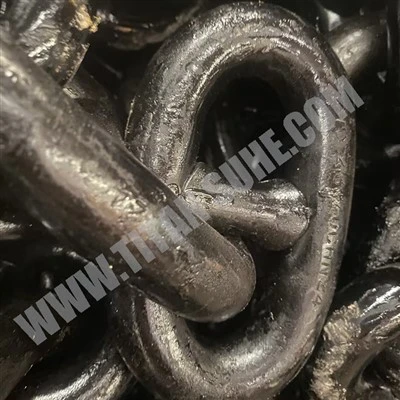
Select right anchor chain is important for a boat project. The boat anchor chain ensures your boat be safely moored and secure in various marine environments. So choosing the right chain is essential not only for the safety of the vessel but also for ensuring a long-lasting and reliable solution. So you'd better to know the differences and characteristics of marine anchor chains
Today, we will guide you through the process of selecting the perfect marine anchor chain for your boat. Whether you are setting up a stud link chain for your vessel or exploring other types of anchor chains, following factors include material, strength, size, and surface treatment will help you choose the best one for your boat.
1. Know Your Vessel's Needs
The first step in selecting the right anchor chain for your boat is to understand the size and weight of the vessel. The type and size of the boat anchor chain you need will vary based on the weight and size of the boat itself. Heavier boats require stronger, thicker chains to provide the necessary holding power, while smaller boats may require less robust chains.
For boats operating in shallow waters or calmer environments, a lighter marine anchor chain may suffice. On the other hand, for larger vessels or boats that navigate rougher seas, you will need a ship anchor chain made of heavy-duty material to provide better security.
2. Material
One factors to consider when selecting an anchor chain is the material. Marine anchor chains are typically made from high-quality steel, which ensures the chains can withstand the harsh marine environment. When choosing the right material, consider the following options:
Galvanized Steel: This is the most common material for mooring chains, offering excellent resistance to corrosion in saltwater.
Stainless Steel: Although more expensive, stainless steel anchor chains offer superior resistance to rust and are ideal for vessels that frequently operate in harsh marine conditions.
Alloy Steel: Known for its strength, alloy steel is typically used in stud link chains for larger ships.
The choice of material will depend on your specific boat project, the environment in which the boat will operate, and the budget you are working with.
3. Chain Size
The size of the anchor chain is crucial in determining how well it will hold the boat in place. The correct boat anchor chain size depends on several factors, including the size of the vessel, the depth of the water, and the expected weather conditions.
Generally, the chain's diameter should match the boat's weight and anchor type. A chain that is too small for the boat's weight may not provide enough holding power, while a chain that is too large may be difficult to handle and store. For small to medium-sized boats, marine anchor chains with a diameter of 6 mm to 10 mm are common, while larger vessels require thicker chains, ranging from 10 mm to 20 mm or more.
Additionally, the length of the chain is equally important. A good rule of thumb is to have about 5 to 7 times the water depth in mooring chain length. In deeper waters or areas with strong tides, you may need to increase the chain length to ensure adequate holding capacity.
4. Different Types of Anchor Chains: Stud Link vs. Studless Link
Two of the most common types of anchor chains are stud link chains and studless link chains. Stud Link Chains: These chains are often used on larger ships and boats. The "stud" refers to the central bar that connects the links and provides additional strength. Stud link chains are excellent for vessels that require high-strength chains for rough weather conditions.
Studless Link Chains: These chains do not have the central stud, providing a smoother profile and making them easier to handle. Studless link chains are commonly used on smaller boats or yachts, as they offer great flexibility and easy storage.
Each type of chain has its advantages, and the decision should be made based on the boat's size, the strength required, and how easy you need the chain to be to store and use.
5. Chain Strength and Break Load
One of the most important specifications of ship anchor chain is the break load, or the maximum weight the chain can support before breaking. The break load should be at least four times the weight of the boat for safety purposes. For larger ships or boats, the required break load increases, so it's essential to select a marine anchor chain that is strong enough to handle the expected forces in challenging conditions.
The anchor chains have strength grade, like we produce U2, U3 (M2, M3) anchor chains.
6. Chain Surface Coating
To prolong the life of your anchor chain, consider coatings that protect the chain from corrosion and rust. Regular coatings include:
Galvanized Coating: A zinc coating that offers corrosion resistance, often applied to boat anchor chains.
Black bitumen painted: offers additional protection from saltwater and UV damage, especially useful for vessels that stay in the water for long periods.
In concluded, when you are looking for a stud link chain for a large vessel or a lighter marine anchor chain for a smaller boat, considering the material, size, strength, and surface coating options, then the right anchor chain will provide the durability and reliability needed to secure your vessel safely in marine environment.