When a chain hoist seems to be worn, like with stiff links, elongation, or surface corrosion, users may wonder, is it safe and cost-effective if simply replace the load chain or hand chain? Well, it may seem practical to swap out individual components, but safety and performance must always be the first considerations in lifting operations.
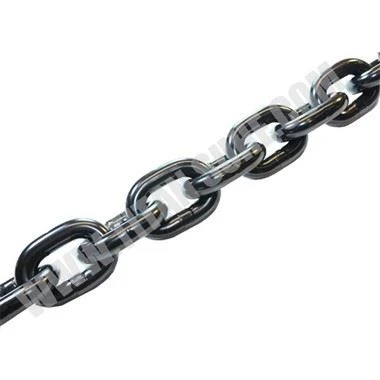
A chain hoist consists of two primary chains: the load chain, which directly lifts the load, and the hand chain, used to manually operate the mechanism. Both are engineered to work in precise synchronization with the hoist's internal gears, sprockets, and braking system. Over time, normal use causes wear not just on the chains but also on these internal components.
Why Partial Chain Replacement Is Risky
Replacing only the load chain or hand chain on a worn chain hoist can create a mismatch in wear patterns. For example, a new load chain paired with an old, worn drive sprocket may skip teeth, slip, or cause uneven load distribution. This increases the risk of sudden failure under load, posing serious safety hazards.
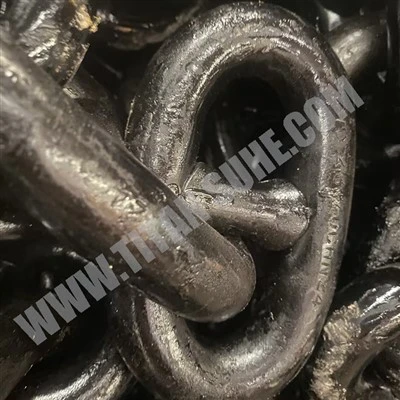
Moreover, chain elongation (a common sign of fatigue) often indicates that the entire lifting system has exceeded its service life. Standards require regular inspection of all load-bearing parts. If one component shows significant wear, others may also be worn, even if not visibly apparent.
When things happen, most reputable manufacturers explicitly advise against replacing only the chain on aged or heavily used units. Instead, they will recommend either:
- Replacing the entire hoist, or
- Sending the unit to buyer or user for full reconditioning-including chain, sprockets, gears, and brake inspection.
This ensures compliance with safety regulations and maintains the original design integrity.
When Replacement Might Be Acceptable
In rare cases, such as minor damage to a brand-new hoist (e.g., a kinked hand chain during installation), replacing a single chain under professional guidance may be acceptable. But, you must follow below rules,
1. Verification that internal components show no wear
2. Use of OEM-specified replacement chains
3. Post-replacement load testing per EN/ANSI/ASME standards
Best Practices for Long-Term Safety
1. Inspect regularly: Check chains for cracks, twists, stretches (>3% elongation), or reduced link diameter.
2. Lubricate properly: Use manufacturer-approved lubricants to reduce premature wear.
3. Retire worn units: If the hoist is over 5-10 years old or has undergone heavy cyclic use, consider full replacement.
So while replacing a worn load chain or hand chain is economical in some ways, actually, it often compromises the safety and reliability of the entire chain hoist system. For industrial applications where personnel and equipment are at stake, investing in a complete unit or certified overhaul is the only truly safe approach. Engineering integrity is always prioritized over short-term savings. When it comes to lifting, there's no room for compromise.