


When it comes to the world of material handling and lifting operations, chain slings play a pivotal role. As a dedicated chain slings supplier, I've witnessed firsthand the diverse needs and applications that different types of chain slings can fulfill. In this blog, I'll take you through the various types of chain slings available in the market, their unique features, and the scenarios where they shine.
Alloy Steel Lifting Chain Slings with Hooks
Alloy steel lifting chain slings with hooks are a staple in many industrial settings. These slings are crafted from high - strength alloy steel, which provides exceptional durability and load - bearing capacity. The hooks attached to the slings are designed to securely grip the load, ensuring a safe and stable lift.
One of the key advantages of alloy steel lifting chain slings is their resistance to abrasion and wear. They can withstand harsh environments, including high - temperature conditions and exposure to chemicals. This makes them ideal for use in industries such as construction, manufacturing, and mining.
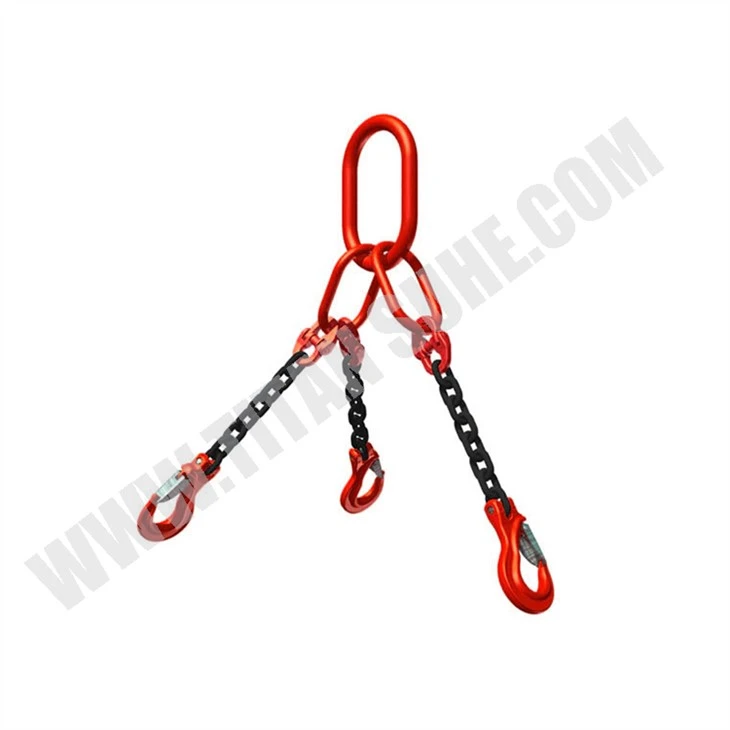
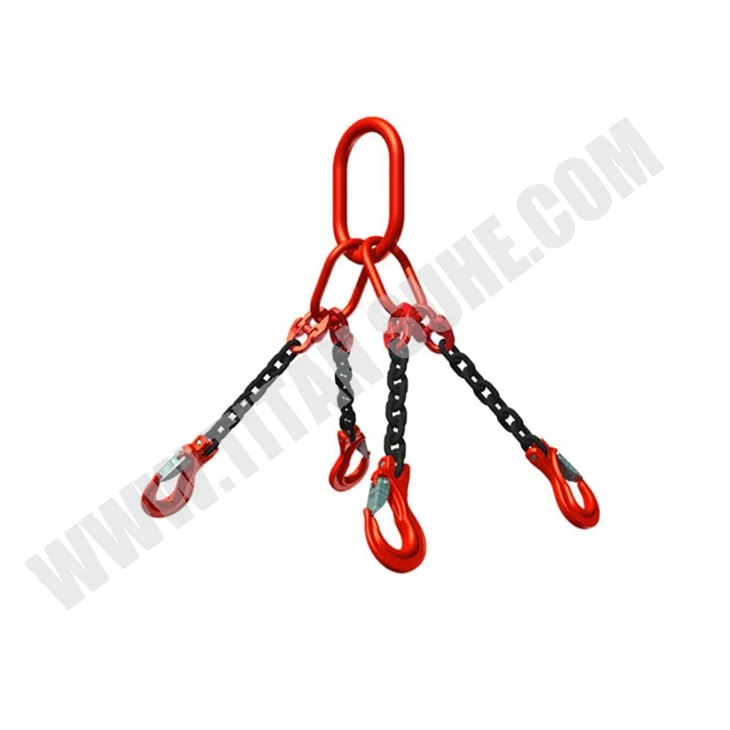
For example, in a construction site, these slings can be used to lift heavy building materials like steel beams and concrete blocks. The hooks can easily attach to the load, and the strong alloy steel chain ensures that the load is lifted safely. If you're interested in learning more about alloy steel lifting chain slings with hooks, you can visit our product page Alloy Steel Lifting Chain Slings with Hooks.
Grade 8 Tow Chains with Hooks
Grade 8 tow chains with hooks are another popular type of chain slings. The "Grade 8" refers to the strength and quality of the chain. Grade 8 chains are made from high - strength alloy steel and are designed to handle heavy loads.
These tow chains are commonly used in towing applications, such as pulling vehicles or moving large equipment. The hooks on the tow chains are engineered to provide a secure connection, preventing the load from detaching during the towing process.
In addition to towing, Grade 8 tow chains can also be used in other heavy - duty lifting operations. For instance, in a shipping yard, they can be used to lift containers onto trucks or ships. The high strength of the Grade 8 chain ensures that the load is lifted and moved safely. If you want to explore our Grade 8 tow chains with hooks, you can click on Grade 8 Tow Chains with Hooks.
4 Leg Adjustable Grade 100 Lifting Chain Slings
4 leg adjustable grade 100 lifting chain slings are a more advanced and versatile option. The "Grade 100" indicates an even higher level of strength compared to Grade 8 chains. These slings have four legs, which can be adjusted to fit different load shapes and sizes.
The adjustability of these slings makes them suitable for a wide range of lifting applications. They can be used to lift irregularly shaped loads, such as large machinery or pre - fabricated building components. The four - leg design provides better balance and stability during the lifting process, reducing the risk of the load tipping or shifting.
For example, in an automotive manufacturing plant, 4 leg adjustable grade 100 lifting chain slings can be used to lift engines and other heavy components. The adjustable legs can be configured to match the shape of the engine, ensuring a secure and stable lift. To learn more about our 4 leg adjustable grade 100 lifting chain slings, visit 4 Leg Adjustable Grade 100 Lifting Chain Slings.
Other Types of Chain Slings
Apart from the above - mentioned types, there are also other types of chain slings available. Single - leg chain slings are the simplest form, consisting of a single chain with a hook at one or both ends. They are suitable for light - to medium - duty lifting applications.
Multi - leg chain slings, on the other hand, can have two, three, or more legs. These slings are used for lifting larger and heavier loads, as the multiple legs distribute the weight more evenly. They are commonly used in industrial settings where large - scale lifting is required.
There are also chain slings with different types of attachments, such as shackles, grab hooks, and clevises. These attachments can be selected based on the specific requirements of the lifting operation. For example, a shackle can be used to connect the chain sling to a lifting point on a load, while a grab hook can be used to quickly attach to a load.
Choosing the Right Chain Sling
When choosing a chain sling, several factors need to be considered. The first is the load capacity. You need to determine the weight of the load you will be lifting and choose a chain sling with a sufficient load - bearing capacity.
The environment in which the chain sling will be used is also important. If the environment is harsh, such as a chemical plant or a high - temperature area, you need to choose a chain sling that is resistant to corrosion and heat.
The type of load is another factor. Irregularly shaped loads may require a more adjustable chain sling, while regular - shaped loads can be lifted with a simpler single - leg or multi - leg chain sling.
Contact for Procurement
If you're in the market for high - quality chain slings, we're here to help. We have a wide range of chain slings to meet your specific needs. Whether you're looking for alloy steel lifting chain slings with hooks, Grade 8 tow chains with hooks, or 4 leg adjustable grade 100 lifting chain slings, we can provide you with the right solution.
Contact us today to discuss your requirements and start a procurement negotiation. Our team of experts is ready to assist you in finding the perfect chain slings for your operations.
References
- "Chain Slings: A Comprehensive Guide", Industrial Lifting Equipment Handbook
- "Materials and Design of Chain Slings", Journal of Material Handling Science





