


A ratchet load binder is an essential tool in the transportation and rigging industries, used to secure heavy loads on trucks, trailers, and other vehicles. As a load binder supplier, I have witnessed firsthand the importance of understanding how these devices work. In this blog post, I will explain the working principle of a ratchet load binder, explore its components, and discuss its practical applications.
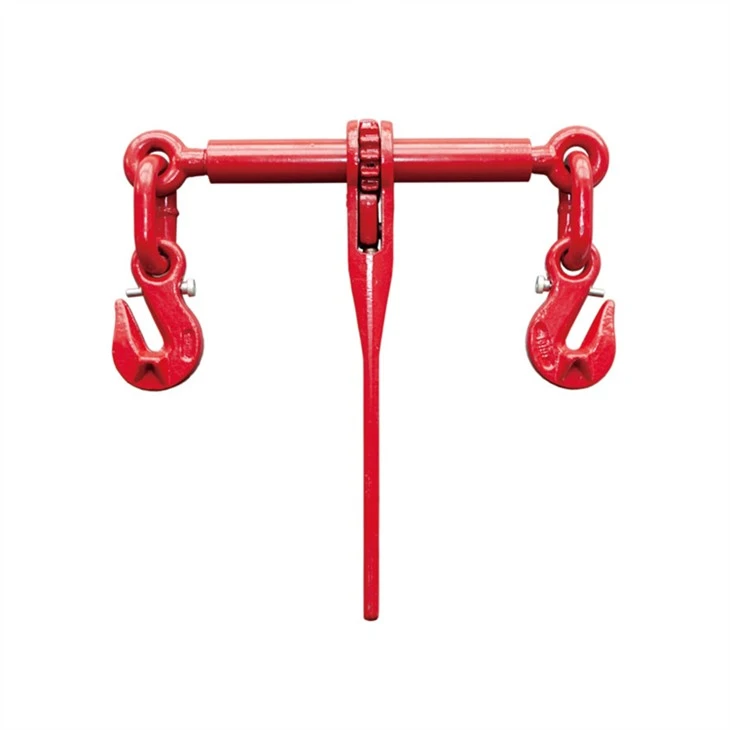
Components of a Ratchet Load Binder
Before delving into the working principle, it's crucial to understand the key components of a ratchet load binder. These components work together to provide a secure and reliable way to tighten and hold chains or straps in place.
- Ratchet Mechanism: The heart of the load binder, the ratchet mechanism, consists of a gear and pawl system. The gear is attached to a handle, and the pawl engages with the gear teeth, allowing the handle to rotate in one direction while preventing it from moving backward. This one-way movement is what enables the load binder to tighten the chain or strap.
- Chain Hooks or Straps: Load binders are typically equipped with chain hooks or straps at both ends. These hooks or straps are used to attach the load binder to the load and the vehicle. They come in various sizes and designs to accommodate different types of loads and applications.
- Frame: The frame of the load binder provides the structural support for the ratchet mechanism and the chain hooks or straps. It is usually made of high-strength steel to withstand the tension forces exerted during the tightening process.
Working Principle of a Ratchet Load Binder
The working principle of a ratchet load binder is based on the mechanical advantage provided by the ratchet mechanism. Here's a step-by-step explanation of how it works:
- Initial Setup: First, attach the chain hooks or straps to the load and the vehicle. Make sure the chain or strap is properly aligned and free of any kinks or twists.
- Engaging the Ratchet: Once the chain or strap is in place, engage the ratchet mechanism by pulling the handle in the tightening direction. As you pull the handle, the pawl engages with the gear teeth, allowing the handle to rotate and tighten the chain or strap.
- Tightening the Load: Continue pulling the handle in short, quick strokes until the load is securely tightened. The ratchet mechanism prevents the chain or strap from loosening during the tightening process, ensuring a safe and secure load.
- Releasing the Tension: When it's time to release the tension, simply disengage the ratchet mechanism by pushing a release lever or button. This allows the handle to rotate freely in the opposite direction, loosening the chain or strap.
Advantages of Using a Ratchet Load Binder
Ratchet load binders offer several advantages over other types of load securing devices, including:
- Ease of Use: Ratchet load binders are relatively easy to use, even for inexperienced operators. The one-way ratchet mechanism makes it simple to tighten and release the load, reducing the risk of injury and improving efficiency.
- High Tensile Strength: Load binders are designed to withstand high levels of tension, ensuring a secure and reliable hold on the load. This makes them ideal for securing heavy loads on trucks, trailers, and other vehicles.
- Adjustability: Ratchet load binders can be adjusted to fit different chain or strap sizes, making them versatile and suitable for a wide range of applications.
- Safety Features: Many ratchet load binders are equipped with safety features such as locking mechanisms and safety hooks to prevent accidental release of the load.
Practical Applications of Ratchet Load Binders
Ratchet load binders are used in a variety of industries and applications, including:

- Transportation: Ratchet load binders are commonly used in the transportation industry to secure heavy loads on trucks, trailers, and railcars. They are essential for ensuring the safe and secure transport of goods over long distances.
- Construction: In the construction industry, ratchet load binders are used to secure building materials, equipment, and machinery during transportation and installation. They help prevent damage to the load and ensure the safety of workers on the job site.
- Warehousing and Logistics: Ratchet load binders are also used in warehousing and logistics to secure pallets, crates, and other heavy items during storage and transportation. They help prevent the load from shifting or falling, reducing the risk of damage and injury.
Types of Ratchet Load Binders
There are several types of ratchet load binders available on the market, each designed for specific applications and load requirements. Some of the most common types include:
- Lever Type Chain Tie Down Binder: This type of load binder uses a lever mechanism to tighten the chain or strap. It is typically used for lighter loads and is easy to operate.
- Quick Binder Chain Binder: The quick binder chain binder is designed for fast and easy tightening and releasing of the load. It features a quick-release mechanism that allows for rapid adjustment of the chain or strap.
- Grade100 Ratchet Type Load Binder With Safety Hooks: This type of load binder is made of high-strength Grade 100 steel and is designed for heavy-duty applications. It features safety hooks to prevent accidental release of the load.
Choosing the Right Ratchet Load Binder
When choosing a ratchet load binder, it's important to consider several factors, including:
- Load Capacity: Make sure the load binder has a sufficient load capacity to handle the weight of the load. Check the manufacturer's specifications to determine the maximum load capacity of the load binder.
- Chain or Strap Size: Choose a load binder that is compatible with the size of the chain or strap you will be using. Make sure the chain or strap fits securely into the load binder's hooks or straps.
- Safety Features: Look for load binders that are equipped with safety features such as locking mechanisms and safety hooks. These features help prevent accidental release of the load and ensure the safety of the operator.
- Quality and Durability: Invest in a high-quality load binder that is made of durable materials and is built to last. A well-made load binder will provide reliable performance and require less maintenance over time.
Conclusion
In conclusion, a ratchet load binder is a vital tool for securing heavy loads in the transportation and rigging industries. By understanding the working principle of a ratchet load binder and its components, you can choose the right load binder for your specific application and ensure the safe and secure transport of your goods.
If you're in the market for a high-quality ratchet load binder, we invite you to contact us for more information. Our team of experts can help you select the right load binder for your needs and provide you with competitive pricing and excellent customer service. Don't hesitate to reach out to us to discuss your load securing requirements and start a procurement discussion.
References
- ASME B30.26 - Slings
- OSHA 1910.184 - Slings
- ANSI/ASME B30.20 - Below-the-Hook Lifting Devices





