


When it comes to working with wire ropes, one of the crucial aspects that demands meticulous attention is the proper installation of wire rope clips. As a reliable supplier of high - quality wire rope clips, we've witnessed firsthand the significant impact that correct installation has on safety, durability, and overall performance.
Understanding the Basics of Wire Rope Clips
Before delving into the proper installation methods, it's essential to familiarize ourselves with wire rope clips. These small yet essential components are designed to secure the ends of wire ropes by creating a loop or joining two ropes together. The basic structure typically consists of a U - bolt, a saddle, and nuts.
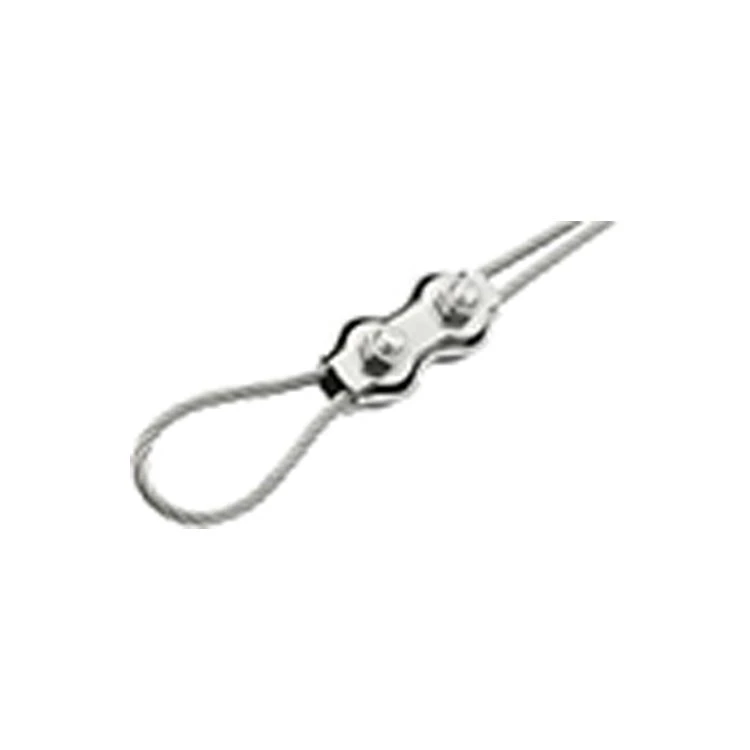

We offer a diverse range of wire rope clips to meet the varying needs of different industries. For example, our Duplex Wire Rope Clips are known for their double - saddle design, which provides enhanced stability and stronger grip on the wire rope. Our A Type Malleable Wire Rope Clips are crafted from malleable iron, offering good strength and flexibility. And the Drop - forged Italian Type Wire Rope Clips are drop - forged for superior strength and durability, ideal for heavy - duty applications.
Key Factors to Consider Before Installation
- Select the Right Size: The size of the wire rope clip must match the diameter of the wire rope. Using an undersized clip may not provide sufficient clamping force, while an oversized one might not grip the rope properly.
- Inspect the Components: Before installation, carefully examine the wire rope clip and the wire rope for any signs of damage, such as cracks, corrosion, or worn - out surfaces. Damaged components can compromise the integrity of the connection.
- Choose the Appropriate Quantity: The number of wire rope clips required depends on the application and the size of the wire rope. As a general rule, for light - to - medium - duty applications, at least three clips are recommended, while heavy - duty applications may require four or more.
Step - by - Step Installation Guide
Step 1: Prepare the Wire Rope
- Cut the wire rope to the desired length using a suitable cutting tool, such as a wire rope cutter. Make sure the cut end is clean and free of burrs.
- If necessary, de - twist the wire rope to ensure it lies flat and straight during installation.
Step 2: Form the Loop
- Decide the length of the loop you need to create. Bend the wire rope back onto itself to form the loop, ensuring that the loop is large enough for the intended purpose.
Step 3: Place the First Clip
- Place a wire rope clip on the wire rope, with the U - bolt around the live end (the end that will carry the load) of the wire rope.
- Position the saddle on the dead end (the shorter end that forms the loop) of the wire rope. This is a critical step because the saddle should always rest on the dead end. Placing the saddle on the live end can cause the wire rope to cut through the saddle under load, leading to a failure of the connection.
Step 4: Tighten the Clip
- Insert the nuts onto the U - bolt and hand - tighten them until the clip is snug against the wire rope.
- Then, using a torque wrench, tighten the nuts to the manufacturer's recommended torque value. Over - tightening can damage the wire rope and the clip, while under - tightening can result in the clip loosening over time.
Step 5: Install Additional Clips
- Repeat steps 3 and 4 for the remaining clips, spacing them evenly along the dead end of the wire rope. The distance between each clip should be at least six times the diameter of the wire rope.
Step 6: Final Inspection
- After installing all the clips, give the wire rope and the clips a final visual inspection. Check that all the nuts are tightened properly and that the clips are correctly positioned.
- Additionally, perform a gentle tug - test on the wire rope to ensure the connection is secure.
Common Mistakes to Avoid During Installation
- Incorrect Saddle Placement: As mentioned earlier, placing the saddle on the live end of the wire rope is a common mistake that can lead to serious safety hazards. Always double - check the saddle position before tightening the clips.
- Over - or Under - Tightening: Using incorrect torque values can significantly affect the performance of the wire rope clip. Refer to the manufacturer's specifications and use a torque wrench to achieve the proper tightness.
- Uneven Clip Spacing: Unevenly spaced clips can cause uneven stress distribution on the wire rope, increasing the risk of failure. Make sure to space the clips at the recommended intervals.
Importance of Proper Installation
Proper installation of wire rope clips is not just a matter of following a set of instructions; it's a crucial safety measure. A correctly installed wire rope clip ensures that the wire rope can support the intended load without the risk of the connection failing. This is especially important in industries such as construction, mining, and marine, where the failure of a wire rope connection can result in serious accidents, injuries, and property damage.
In addition to safety, proper installation also enhances the durability of the wire rope and the clips themselves. When the clips are installed correctly, they distribute the load evenly across the wire rope, reducing wear and tear and extending the lifespan of the components.
Conclusion
In conclusion, the proper installation of wire rope clips is a skill that requires attention to detail and a thorough understanding of the installation process. By selecting the right size and type of clips, following the correct installation steps, and avoiding common mistakes, you can ensure a safe and reliable connection for your wire rope applications.
As a leading supplier of wire rope clips, we are committed to providing our customers with high - quality products and comprehensive technical support. If you have any questions about the installation of wire rope clips or need advice on selecting the right clips for your application, please don't hesitate to contact us for procurement and consultation.
References
- "Wire Rope Handbook", Industrial Wire Rope Institute.
- ASTM standards related to wire rope clips and their installation.





