


As a trusted riggings supplier with years of experience in serving the mining industry, I've witnessed firsthand the crucial role that rigging equipment plays in ensuring the efficiency, safety, and success of mining operations. In this blog post, I'll delve into the various types of riggings commonly used in mining, highlighting their unique features, applications, and benefits.
Wire Rope and Cable
Wire ropes are a staple in mining rigging due to their high strength, durability, and flexibility. They are typically made from multiple steel wires twisted together to form strands, which are then laid around a central core. Wire ropes are used in a wide range of mining applications, including hoisting, hauling, and support.
- 6x19 and 6x37 Wire Ropes: These are the most common types of wire ropes used in mining. The 6x19 wire rope has 6 strands with 19 wires per strand, making it more resistant to abrasion and fatigue. The 6x37 wire rope, on the other hand, has 6 strands with 37 wires per strand, offering greater flexibility and a smoother surface.
- Fiber Core (FC) and Independent Wire Rope Core (IWRC): Wire ropes can have either a fiber core or an independent wire rope core. FC wire ropes are more flexible and lighter, making them suitable for applications where weight is a concern. IWRC wire ropes, on the other hand, offer higher strength and better resistance to crushing, making them ideal for heavy-duty mining applications.
Shackles
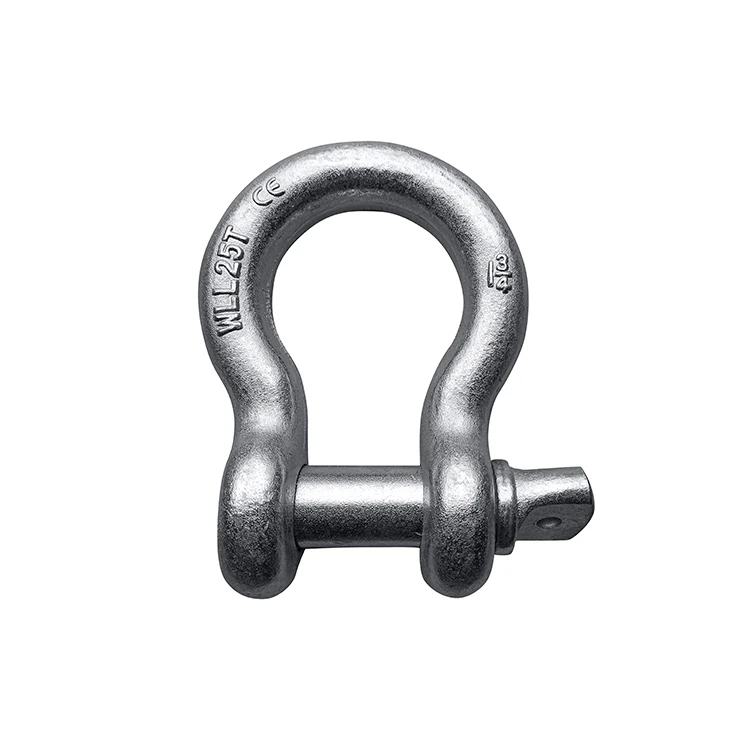
Shackles are used to connect various components of a rigging system, such as wire ropes, chains, and hooks. They come in different shapes and sizes, each designed for specific applications.
- Screw Pin Bow Shackles: These are the most common type of shackles used in mining. They have a bow-shaped body with a screw pin that can be easily tightened or loosened. Screw pin bow shackles are suitable for a wide range of applications, including general rigging, lifting, and towing. For a high-quality option, check out our JIS Standard Commercial Type Screw Pin Bow Shackle.
- Bolt-Type Shackles: Bolt-type shackles have a threaded pin that is secured with a nut. They offer greater strength and security compared to screw pin shackles, making them ideal for heavy-duty applications.
Hooks
Hooks are used to attach loads to the rigging system. They come in different shapes and sizes, each designed for specific applications.
- Eye Hooks: Eye hooks have a circular eye at one end, which allows them to be easily attached to a shackle or other rigging component. They are commonly used in light to medium-duty lifting applications.
- Clevis Hooks: Clevis hooks have a U-shaped body with a pin at the end, which allows them to be easily attached to a chain or other rigging component. They are commonly used in heavy-duty lifting applications.
- Special Shaped Hooks: For heavy lifting applications, special shaped hooks such as the G80 Special Shaped Eye Type Hook For Heavy Lifting are designed to provide a secure and stable connection. These hooks often feature a unique shape that is optimized for the specific load and application.
Chains
Chains are used in mining rigging for a variety of applications, including hoisting, hauling, and securing loads. They come in different grades and sizes, each designed for specific applications.
- Grade 80 Chains: Grade 80 chains are the most common type of chains used in mining. They offer high strength, durability, and resistance to wear and tear. Grade 80 chains are suitable for a wide range of applications, including general rigging, lifting, and towing.
- Grade 100 Chains: Grade 100 chains offer even higher strength and durability compared to Grade 80 chains. They are commonly used in heavy-duty applications where maximum strength and reliability are required.
Bolts and Nuts
Bolts and nuts are used to secure various components of a rigging system, such as shackles, hooks, and plates. They come in different sizes and grades, each designed for specific applications.
- Eye Bolts: Eye bolts have a circular eye at one end, which allows them to be easily attached to a shackle or other rigging component. They are commonly used in light to medium-duty lifting applications. Our Regular Nut Eye Bolts G-291 are a reliable option for many mining rigging needs.
- Anchor Bolts: Anchor bolts are used to secure equipment and structures to the ground or other surfaces. They are commonly used in mining applications where heavy equipment and structures need to be securely fastened.
Rope Shortening Hooks
Rope shortening hooks are used to adjust the length of a wire rope or cable. They come in different types, including hooks with and without tongues.
- Rope Shortening Hook with and without Tongue: These hooks allow for easy adjustment of the rope length, making them ideal for applications where the load needs to be properly balanced or positioned. Check out our Rope Shortening Hook with and without Tongue for a reliable solution.
Weld-On Hooks
Weld-on hooks are designed to be welded directly to a structure or component. They offer a permanent and secure connection, making them ideal for heavy-duty applications.
- Grade 80 Weld On Hook Light Type: Our Grade 80 Weld On Hook Light Type provides a strong and reliable attachment point for various mining equipment and structures.
Conclusion
In conclusion, the types of riggings used in a mining operation are diverse and specialized, each playing a crucial role in ensuring the safety and efficiency of the mining process. From wire ropes and shackles to hooks and chains, the right rigging equipment can make all the difference in a successful mining operation.
As a riggings supplier, we understand the unique needs and challenges of the mining industry. That's why we offer a wide range of high-quality rigging products, backed by our expertise and commitment to customer satisfaction. Whether you're looking for a specific type of rigging equipment or need help selecting the right solution for your mining operation, we're here to assist you.
If you're interested in learning more about our rigging products or have any questions about their applications in mining, please don't hesitate to contact us. We look forward to the opportunity to discuss your requirements and help you find the perfect rigging solution for your mining operation.

References
- "Mining Engineering Handbook" by Hartman and Mutmansky
- "Standard Handbook of Mineral and Metal Processing" by Norgate and Jahanshahi





