


Hey there! As a riggings supplier, I often get asked about the functions of riggings in a water treatment plant. Well, let me tell you, riggings play a crucial role in ensuring the smooth operation of these facilities. In this blog post, I'll break down the key functions of riggings in a water treatment plant and explain why they're so important.
1. Lifting and Moving Heavy Equipment
One of the primary functions of riggings in a water treatment plant is to lift and move heavy equipment. Water treatment plants are filled with large and heavy machinery, such as pumps, filters, and clarifiers. These pieces of equipment need to be installed, maintained, and replaced from time to time, and riggings are essential for safely lifting and moving them.
For example, when a new pump needs to be installed, riggings are used to hoist the pump into place. This requires the use of strong and reliable lifting equipment, such as Stainless Steel Wire Rope Thimbles. These thimbles are designed to protect the wire rope from abrasion and ensure a secure connection between the rope and the load.
Similarly, when a filter needs to be replaced, riggings are used to lift the old filter out and the new one in. This process requires careful planning and the use of appropriate rigging equipment to ensure the safety of the workers and the integrity of the equipment.
2. Securing Equipment and Structures
Another important function of riggings in a water treatment plant is to secure equipment and structures. Water treatment plants are subject to various forces, such as wind, water pressure, and seismic activity. Riggings are used to secure equipment and structures to prevent them from shifting or falling during these events.
For example, Grade 80 Special Webbing Connecting Link can be used to secure pipes and valves to the building structure. These links are made of high-strength steel and are designed to withstand heavy loads and extreme conditions.
In addition, riggings are used to secure tanks and other storage vessels to prevent them from tipping over or leaking. This is especially important in water treatment plants, where the storage of chemicals and other hazardous materials is common.
3. Adjusting and Aligning Equipment
Riggings are also used to adjust and align equipment in a water treatment plant. Many pieces of equipment, such as pumps and motors, need to be properly aligned to ensure optimal performance. Riggings can be used to make these adjustments and ensure that the equipment is operating at its best.
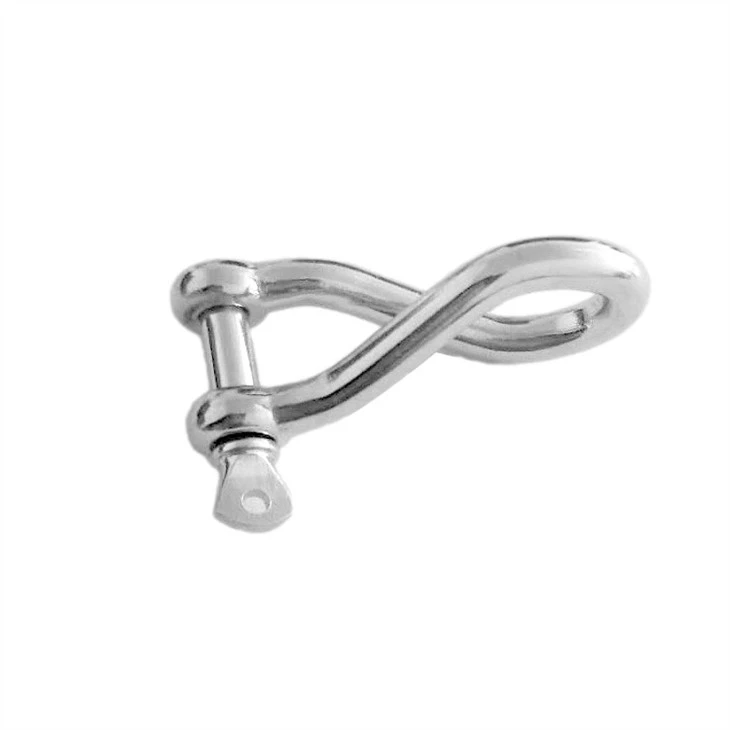
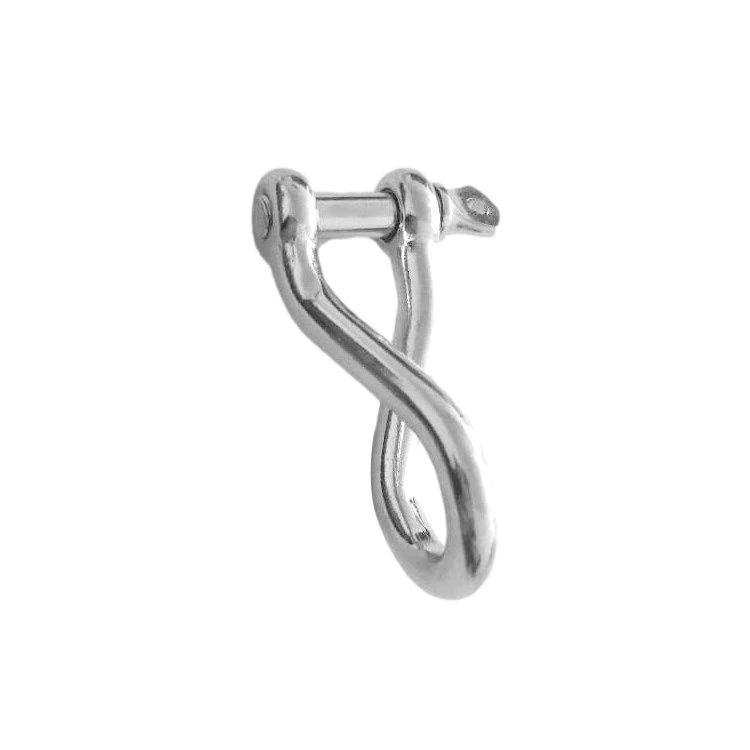
For example, Twisted Shackles Rigging can be used to adjust the tension of belts and chains in a conveyor system. These shackles are designed to provide a secure and adjustable connection between the equipment and the load, allowing for easy adjustment and alignment.
In addition, riggings can be used to level and align tanks and other storage vessels. This is important to ensure that the vessels are stable and that the contents are evenly distributed.
4. Maintenance and Repair
Riggings are essential for the maintenance and repair of equipment in a water treatment plant. When equipment breaks down or needs to be serviced, riggings are used to lift and move the equipment to a repair area. This allows the maintenance team to access the equipment and make the necessary repairs.
For example, when a pump needs to be repaired, riggings are used to lift the pump out of the tank and onto a workbench. This allows the maintenance team to disassemble the pump and replace any damaged parts.
In addition, riggings are used to access hard-to-reach areas of the plant for maintenance and inspection. For example, riggings can be used to lift workers to the top of a tank or to access a pipe that is located in a confined space.
5. Safety and Compliance
Finally, riggings play an important role in ensuring the safety and compliance of a water treatment plant. Water treatment plants are subject to various safety regulations and standards, and riggings must be designed and used in accordance with these regulations.
For example, riggings must be inspected regularly to ensure that they are in good condition and that they meet the required safety standards. In addition, riggings must be used in accordance with the manufacturer's instructions and the applicable safety regulations.
By using high-quality riggings and following the proper safety procedures, water treatment plants can ensure the safety of their workers and the integrity of their equipment.
Conclusion
In conclusion, riggings play a crucial role in the operation of a water treatment plant. They are used for lifting and moving heavy equipment, securing equipment and structures, adjusting and aligning equipment, maintenance and repair, and ensuring safety and compliance. As a riggings supplier, I understand the importance of providing high-quality riggings that meet the specific needs of water treatment plants.
If you're in the market for riggings for your water treatment plant, I'd love to help. We offer a wide range of rigging products, including Stainless Steel Wire Rope Thimbles, Grade 80 Special Webbing Connecting Link, and Twisted Shackles Rigging. Our products are designed to meet the highest standards of quality and safety, and we offer competitive pricing and excellent customer service.
So, if you're interested in learning more about our rigging products or have any questions, please don't hesitate to contact us. We'd be happy to discuss your needs and help you find the right rigging solutions for your water treatment plant.
References
- "Water Treatment Plant Design and Operation." American Water Works Association.
- "Rigging Handbook." Crosby Group.
- "Safety Standards for Rigging Equipment." Occupational Safety and Health Administration (OSHA).





