


Hey there! I'm a supplier of chain slings, and today I wanna chat about the factors that affect the load - bearing capacity of chain slings. It's super important to understand these factors, especially if you're in the business of heavy - lifting or industrial operations.
Material Quality
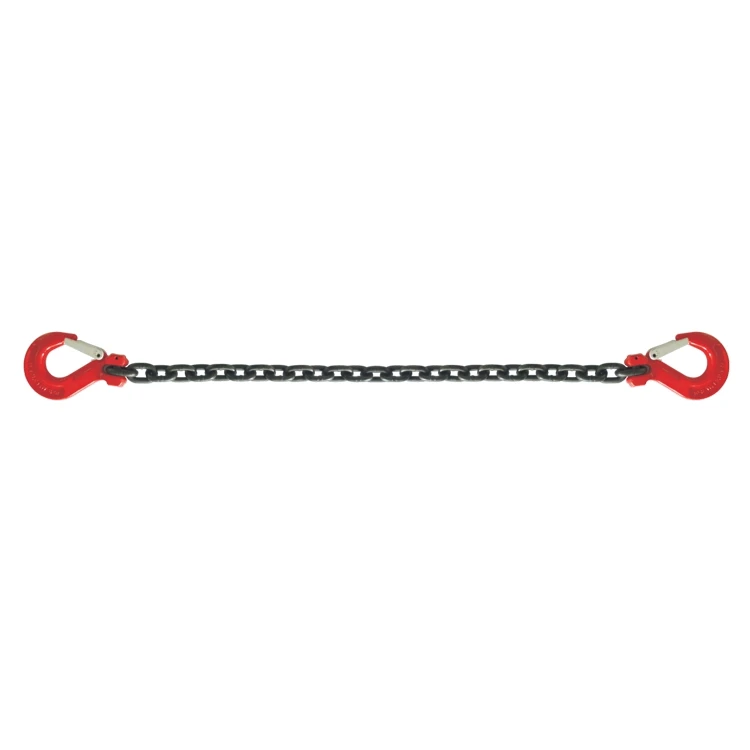
The first and most obvious factor is the material quality. The chains used in slings are often made from different materials, like alloy steel. High - quality alloy steel can withstand more stress and has a higher yield strength compared to lower - grade materials. For example, our Alloy Steel Lifting Chain Slings with Hooks are crafted from top - notch alloy steel. This material is heat - treated to enhance its strength and durability. It can handle a relatively heavy load without deforming or breaking. If you use slings made from low - quality materials, they'll likely have a much lower load - bearing capacity, and you run the risk of accidents during lifting operations.
Chain Size and Thickness
Chain size and thickness play a crucial role. A thicker chain typically has a higher load - bearing capacity. Larger chains can distribute the load more evenly, reducing the stress on each individual link. When you're choosing a chain sling, you need to think about the size of the load you'll be lifting. For smaller loads, a thinner and smaller - sized chain might be sufficient. But for heavy - duty applications, you'll definitely want to opt for a larger and thicker chain. Take our A link adjustable lifting chain slings as an example. They come in different sizes and thicknesses, allowing you to pick the one that suits your specific needs.
Manufacturing Process
The way the chain sling is manufactured also affects its load - bearing capacity. Good manufacturing processes ensure proper welds, if the chains are welded. A well - welded chain has better structural integrity. If the welds are weak or faulty, the chain can break under load. Additionally, proper heat treatment during manufacturing is essential. Heat treatment can improve the hardness and toughness of the chain, making it more resistant to wear and tear. Our company follows strict manufacturing standards to ensure that every chain sling we produce has a high load - bearing capacity and meets safety requirements.
Working Conditions
The working conditions where the chain slings are used have a significant impact. If the slings are used in a corrosive environment, like in a chemical factory or near the coast where there's saltwater, the chains can corrode. Corrosion weakens the material over time, reducing the load - bearing capacity. Similarly, exposure to high temperatures can also affect the material properties of the chain. Some materials may lose their strength when heated to certain temperatures. So, you need to choose the right chain sling based on the working conditions. For harsh environments, we might recommend using chain slings with special coatings or made from corrosion - resistant materials.
Sling Configuration
How you configure the chain sling is another important factor. There are different types of sling configurations, such as single - leg, two - leg, three - leg, and four - leg slings. Each configuration distributes the load differently. For example, a multi - leg sling can distribute the load more evenly among the legs, which can increase the overall load - bearing capacity of the system. However, you need to set up the configuration correctly. If the legs of a multi - leg sling are not evenly loaded, some legs may be over - stressed, leading to potential failure.
Hook Design and Quality
The hooks on chain slings are just as important as the chains themselves. A well - designed hook can securely hold the load and transfer the force evenly to the chain. The size, shape, and strength of the hook matter. For example, our Grade 8 Tow Chains with Hooks come with high - quality hooks that are designed to handle heavy loads. If the hook is too small or has a weak design, it can fail, even if the chain is strong. You also need to check for any signs of wear or damage on the hooks regularly.
Maintenance and Inspection
Regular maintenance and inspection are vital for maintaining the load - bearing capacity of chain slings. Over time, chains can wear out due to friction, and hooks can get damaged. You should inspect the slings before each use for any signs of cracks, deformation, or excessive wear. If you find any issues, you need to either repair or replace the sling immediately. Additionally, proper lubrication of the chain can reduce friction and extend its lifespan.
Angle of Lift
The angle at which the chain sling is used to lift the load can affect its load - bearing capacity. When you lift a load at an angle, the tension in the chain increases compared to lifting it straight up. As the angle increases, the load on the chain sling also increases. So, you need to take this into account when calculating the maximum load the sling can handle. If you lift at a very large angle, you may need a stronger chain sling to avoid overloading.
In conclusion, there are many factors that affect the load - bearing capacity of chain slings. As a supplier, I always recommend that customers consider these factors carefully when choosing chain slings. Whether you're in construction, manufacturing, or any other industry that requires heavy - lifting, getting the right chain sling with the appropriate load - bearing capacity is essential for safety and efficiency.
If you're interested in purchasing high - quality chain slings that are designed to meet your specific needs, feel free to reach out to us for a detailed discussion. We can help you select the best chain slings for your applications and ensure that you get the most out of your investment.

References
- Machinery's Handbook, Industrial Press Inc.
- Standards and Guidelines from relevant safety organizations such as OSHA.





