


Riggings play a crucial role in the shipping industry, serving a wide range of applications that ensure the safety, efficiency, and reliability of maritime operations. As a leading riggings supplier, we understand the importance of high - quality rigging equipment in this dynamic sector. In this blog, we will explore the various applications of riggings in the shipping industry.
Cargo Handling
One of the primary applications of riggings in the shipping industry is cargo handling. When it comes to loading and unloading cargo from ships, rigging equipment is essential for securing and moving heavy items. For instance, slings, chains, and hooks are used to lift and transfer containers, bulk cargo, and other goods.
Grade 100 Clevis Forest Hook [/riggings/grade - 100 - chain - hooks/grade - 100 - clevis - forest - hook.html] is a popular choice in cargo handling. Its high strength and durability make it suitable for lifting heavy loads. These hooks are designed to securely attach to the cargo, allowing for safe and efficient lifting operations. The clevis design provides a stable connection, reducing the risk of the hook coming loose during the lifting process.
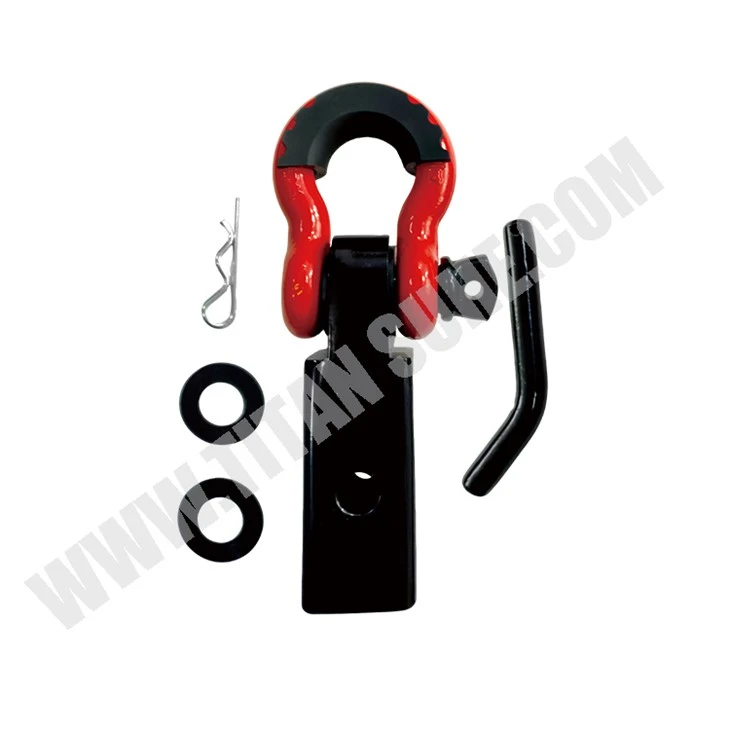
Another important rigging component for cargo handling is the shackle. Towing Trailer Hook Hitch Lock D - Ring Shackle Hitch Receiver Shackle [/riggings/wire - rope - shackles/towing - trailer - hook - hitch - lock - d - ring - shackle.html] is commonly used to connect different parts of the rigging system. Shackles are available in various sizes and configurations to accommodate different types of cargo and lifting requirements. They are made from high - strength materials to withstand the heavy loads and forces involved in cargo handling.
Mooring and Anchoring
Riggings are also extensively used for mooring and anchoring ships. Mooring lines, which are part of the rigging system, are used to secure a ship to a dock or a buoy. These lines need to be strong enough to withstand the forces exerted by the ship, such as wind, waves, and currents.
Chain and wire ropes are commonly used as mooring lines. They are attached to the ship's bollards and the mooring points on the dock or buoy. The rigging hardware, such as shackles and turnbuckles, is used to adjust the tension of the mooring lines. This ensures that the ship remains stable and secure while at berth.
Anchoring is another critical aspect of ship operations. The anchor chain, which is a type of rigging, is used to hold the ship in place. The chain is attached to the anchor and then to the ship. High - quality rigging components are essential to ensure that the anchor can hold the ship firmly, even in adverse weather conditions.
Towing Operations
Towing is a common activity in the shipping industry, whether it is towing a disabled ship, a barge, or a floating structure. Riggings are used to connect the towing vessel to the towed object.
Grade 100 European Type Self - locking Safety Hooks [/riggings/grade - 100 - chain - hooks/grade - 100 - european - type - self - locking - safety.html] are often used in towing operations. These hooks have a self - locking mechanism that provides an extra layer of safety. They can be easily attached and detached, making them convenient for towing operations.
Wire ropes and chains are also used to transmit the towing force. The rigging system needs to be carefully designed to ensure that the towing force is evenly distributed and that the connection between the towing vessel and the towed object is secure.
Ship Maintenance and Repair
Riggings are also used in ship maintenance and repair activities. For example, when working on the hull of a ship, rigging equipment is used to lift and position heavy equipment and materials. Scaffolding and hoists, which are part of the rigging system, are used to provide access to different parts of the ship.
During ship repair, rigging is used to remove and replace damaged components. Chains and slings are used to lift heavy engine parts, propellers, and other equipment. The proper use of rigging equipment ensures that these maintenance and repair operations can be carried out safely and efficiently.

Safety Considerations
In all these applications, safety is of utmost importance. The rigging equipment must be inspected regularly to ensure that it is in good condition. Any signs of wear, damage, or corrosion should be addressed immediately.
Proper training is also essential for the personnel involved in rigging operations. They should be familiar with the correct use of rigging equipment, including how to attach and detach hooks, adjust tension, and handle different types of loads.
As a riggings supplier, we are committed to providing high - quality rigging products that meet the strict safety standards of the shipping industry. Our products are tested and certified to ensure their reliability and performance.
Conclusion
Riggings are an integral part of the shipping industry, with a wide range of applications in cargo handling, mooring and anchoring, towing operations, and ship maintenance and repair. The use of high - quality rigging equipment is essential for ensuring the safety and efficiency of maritime operations.
If you are in the shipping industry and are looking for reliable rigging solutions, we invite you to contact us for procurement and further discussions. Our team of experts is ready to assist you in finding the right rigging products for your specific needs.
References
- American Bureau of Shipping (ABS). Rules for Building and Classing Steel Vessels.
- International Maritime Organization (IMO). Safety of Life at Sea (SOLAS) Convention.
- Occupational Safety and Health Administration (OSHA). Regulations for Rigging and Lifting Operations.





