


Windy conditions can pose significant challenges when using webbing slings, but with the right knowledge and precautions, it's possible to ensure safe and efficient operations. As a trusted webbing slings supplier, I've witnessed firsthand the importance of understanding how to use these essential tools in less - than - ideal weather conditions. In this blog, I'll share some key tips and best practices for using webbing slings in a windy environment.
Understanding the Impact of Wind on Webbing Slings
Wind can affect webbing slings in several ways. Firstly, it can cause the load to sway, increasing the risk of the sling slipping off or the load colliding with other objects. The force of the wind can also put additional stress on the sling itself, potentially leading to premature wear and tear or even failure. Moreover, strong winds may blow debris onto the sling, causing abrasions or other damage.
Pre - Use Inspection
Before using webbing slings in a windy environment, it's crucial to conduct a thorough pre - use inspection. Check for any signs of damage, such as cuts, fraying, or abrasions. Even minor damage can be exacerbated by the additional forces exerted by the wind, so it's important to replace any damaged slings immediately. Inspect the stitching and any attachments, such as hooks or rings, to ensure they are in good condition.
Select the Right Sling
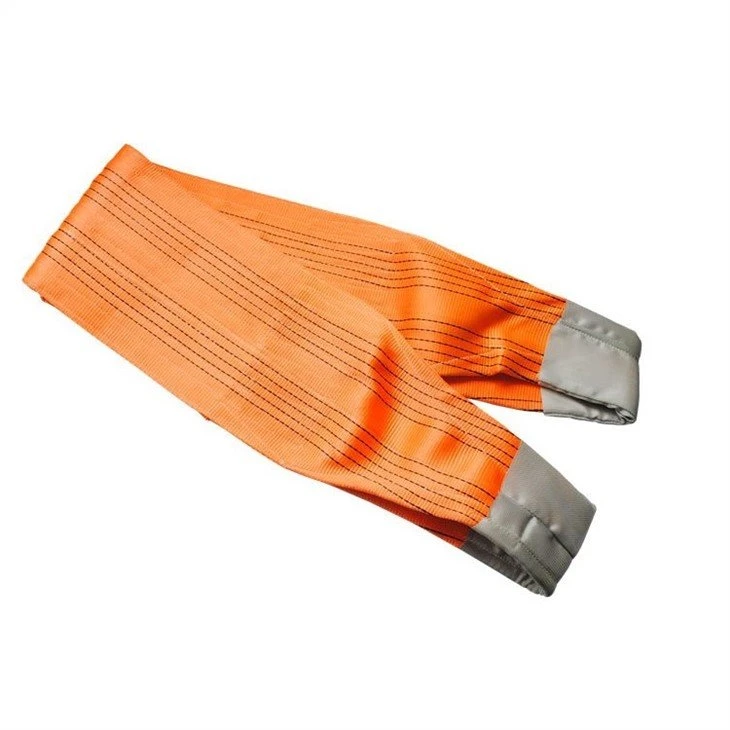
The type of webbing sling you choose can make a big difference in windy conditions. For example, Flat Eye Polyester Lifting Web Slings are a popular choice due to their flat design, which can reduce wind resistance compared to round slings. Additionally, consider the sling's capacity. In a windy environment, it's often advisable to choose a sling with a higher capacity than normally required to account for the additional forces.
Securing the Load
Properly securing the load is essential in a windy environment. Make sure the sling is wrapped tightly around the load to minimize movement. Avoid loose or slack sections of the sling, as these can catch the wind and cause the load to sway. If possible, use multiple slings to distribute the weight evenly and provide additional stability. For example, 2 Tones Duplex Flat Webbing Slings can be used in pairs to better secure the load.
Using Wind - Resistant Accessories
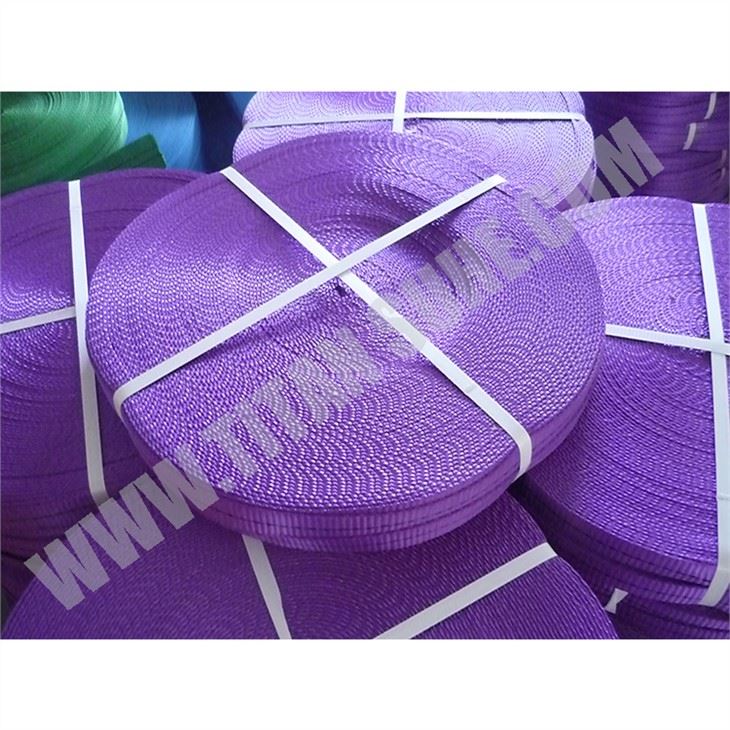
There are several accessories that can help mitigate the effects of wind when using webbing slings. For instance, using a spreader bar can prevent the load from swinging too much by keeping the slings at a set distance. Anti - sway devices can also be attached to the load to minimize movement caused by the wind. Additionally, considering Webbing Belt for Sling with reinforced edges can provide extra durability against wind - blown debris.
Anchoring the Sling
In a windy environment, it's important to ensure that the sling is firmly anchored. If you're using the sling to lift a load from a fixed structure, make sure the anchor point is secure and can withstand the additional forces created by the wind. When using a mobile crane or other lifting equipment, ensure that it is properly stabilized to prevent tipping or movement.
Monitoring the Weather
Keep a close eye on the weather forecast before and during the lifting operation. If the wind speed is expected to increase significantly, it may be necessary to postpone the operation until conditions improve. Even if the wind is currently within an acceptable range, sudden gusts can pose a risk. Have a plan in place to quickly secure the load and stop the operation if the wind becomes too strong.
Training and Experience
Proper training is essential for anyone using webbing slings in a windy environment. Operators should be familiar with the specific challenges and risks associated with windy conditions and know how to use the slings safely. Experience also plays a crucial role. Seasoned operators are more likely to anticipate the effects of the wind and take appropriate precautions.
Regular Maintenance
Regular maintenance of webbing slings is vital, especially when used in a windy environment. After each use, clean the slings to remove any debris that may have accumulated. Store the slings in a dry, clean place to prevent mold and mildew growth. Periodically, have the slings inspected by a qualified professional to ensure they are still in good working condition.
Conclusion
Using webbing slings in a windy environment requires careful planning, proper equipment selection, and strict adherence to safety protocols. By understanding the impact of wind on webbing slings and taking the necessary precautions, you can ensure safe and efficient lifting operations. As a webbing slings supplier, I'm committed to providing high - quality products and sharing our expertise to help you meet your lifting needs. If you're interested in learning more about our webbing slings or have any questions regarding their use in windy conditions, please feel free to contact us. We're always ready to assist you with your procurement and technical inquiries.
References
- "Rigging Handbook" by Rigging Equipment Manufacturers Association
- Industry safety guidelines on lifting operations in adverse weather conditions.





