


Overloading in a freight elevator is a serious issue that can lead to equipment damage, safety hazards, and increased maintenance costs. As a leading freight elevator supplier, we understand the importance of preventing overloading to ensure the smooth and safe operation of your elevator system. In this blog post, we will discuss some effective strategies to prevent overloading in a freight elevator.
Understanding the Capacity of Your Freight Elevator
The first step in preventing overloading is to understand the rated capacity of your freight elevator. Every elevator has a specified maximum load capacity, which is determined by the manufacturer based on the design and structural integrity of the elevator. This capacity is usually indicated on a placard inside the elevator car. It is crucial to ensure that the weight of the cargo being transported never exceeds this rated capacity.
When planning your freight operations, take the time to weigh the items before loading them into the elevator. If you are dealing with irregularly shaped or bulky items, you may need to estimate their weight based on their volume and the density of the material. For large or heavy loads, consider using a forklift scale or a floor scale to get an accurate measurement.
Implementing Weight Monitoring Systems
One of the most effective ways to prevent overloading is to install a weight monitoring system in your freight elevator. These systems use sensors to measure the weight of the load in the elevator car and can provide real-time feedback to the operator. If the weight exceeds the rated capacity, the system can trigger an alarm or prevent the elevator from operating until the excess weight is removed.
There are several types of weight monitoring systems available, including mechanical, hydraulic, and electronic systems. Mechanical systems use springs or levers to measure the weight, while hydraulic systems use fluid pressure. Electronic systems, on the other hand, use load cells to convert the weight into an electrical signal. Each type of system has its own advantages and disadvantages, so it is important to choose the one that best suits your needs and budget.
Training Your Staff
Proper training is essential for preventing overloading in a freight elevator. All employees who operate or use the elevator should be trained on the importance of following the weight limits and the proper procedures for loading and unloading cargo. They should also be familiar with the weight monitoring system and know how to respond if an overloading situation occurs.
During the training, emphasize the potential consequences of overloading, such as equipment failure, safety risks, and legal liabilities. Provide hands-on training on how to use the elevator safely and efficiently, including how to properly distribute the load to avoid uneven weight distribution. Encourage employees to ask questions and provide feedback to ensure that they understand the training material.
Establishing Loading Procedures
In addition to training your staff, it is important to establish clear loading procedures to prevent overloading. These procedures should include guidelines on how to load the elevator, such as the maximum number of items that can be loaded at one time, the proper placement of the load, and the use of appropriate loading equipment.
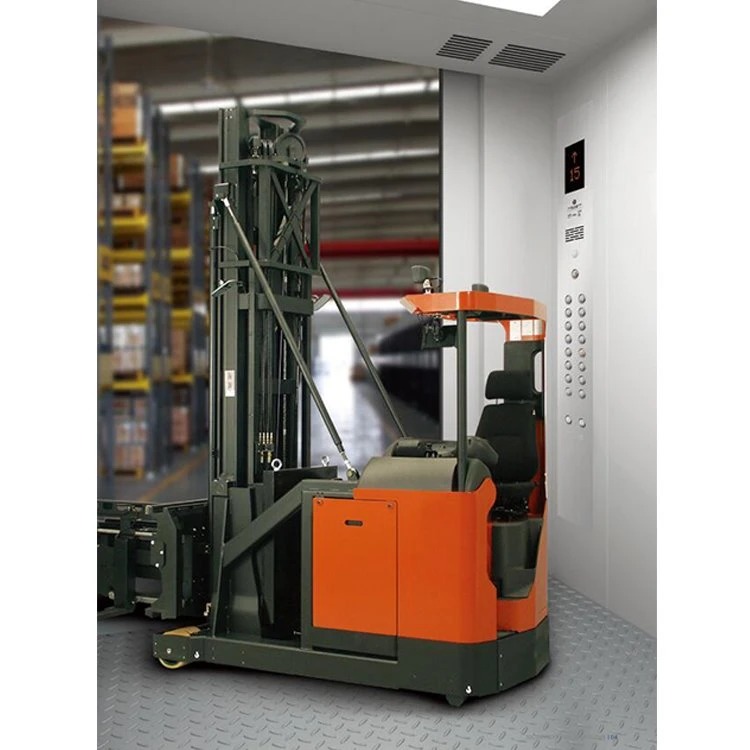

For example, you may want to limit the number of pallets that can be loaded onto the elevator at one time to prevent overloading. You should also ensure that the load is evenly distributed across the floor of the elevator car to avoid putting too much stress on one area. If you are using a forklift to load the elevator, make sure that the forklift is the appropriate size and capacity for the load.
Regular Maintenance and Inspections
Regular maintenance and inspections are crucial for ensuring the safe and reliable operation of your freight elevator. Over time, the components of the elevator can wear out or become damaged, which can affect its performance and safety. By conducting regular maintenance and inspections, you can identify and address any potential issues before they become major problems.
During the maintenance and inspection process, the technician should check the weight monitoring system to ensure that it is functioning properly. They should also inspect the elevator car, doors, cables, and other components for signs of wear and tear. If any issues are found, they should be repaired or replaced immediately to prevent overloading and other safety hazards.
Choosing the Right Freight Elevator
When selecting a freight elevator for your facility, it is important to choose one that is appropriate for your specific needs. Consider factors such as the size and weight of the cargo you will be transporting, the frequency of use, and the available space in your building.
If you have a large volume of heavy cargo to transport, you may want to consider a Machine Room Freight Elevator. These elevators are designed to handle heavy loads and are typically more powerful and durable than other types of elevators. On the other hand, if you have limited space in your building, a Machine Roomless Freight Elevator may be a better option. These elevators do not require a separate machine room, which can save space and reduce installation costs.
Conclusion
Preventing overloading in a freight elevator is essential for ensuring the safety and reliability of your elevator system. By understanding the capacity of your elevator, implementing weight monitoring systems, training your staff, establishing loading procedures, conducting regular maintenance and inspections, and choosing the right elevator for your needs, you can minimize the risk of overloading and ensure the smooth operation of your freight operations.
If you have any questions or need further information about preventing overloading in a freight elevator, please do not hesitate to contact us. Our team of experts is available to provide you with personalized advice and solutions to meet your specific needs. We look forward to working with you to ensure the safe and efficient operation of your freight elevator system.
References
- Elevator Safety Code, ASME A17.1
- National Fire Protection Association, NFPA 101
- Occupational Safety and Health Administration, OSHA





