


Hey there! As a webbing slings supplier, I know how important it is to keep your webbing slings in top - notch condition. Clean webbing slings not only last longer but also ensure safety during lifting operations. In this blog, I'll share some practical tips on how to clean webbing slings.
Why Cleaning Webbing Slings is Crucial
First off, let's talk about why cleaning is so important. Webbing slings are often exposed to all sorts of harsh environments. They can get dirty from dust, dirt, oil, and chemicals. If these contaminants are left on the slings, they can weaken the material over time. This weakening can lead to reduced strength and, in the worst - case scenario, sling failure during a lift.
Regular cleaning also helps in inspecting the slings for any signs of wear and tear. When you clean the slings, you can spot cuts, frays, or other damage that might need attention. So, cleaning is not just about making the slings look good; it's a key part of maintaining their performance and safety.
Pre - Cleaning Inspection
Before you start cleaning your webbing slings, it's essential to do a pre - cleaning inspection. Take a close look at the slings for any visible damage. Check for cuts, abrasions, frayed edges, or any signs of chemical damage. If you find any significant damage, it might be time to replace the sling.
Also, make a note of the type of dirt or contaminants on the slings. Different types of dirt may require different cleaning methods. For example, oil and grease stains need a different approach compared to dust and dirt.
Cleaning Methods
1. Manual Cleaning
For light dirt and dust, manual cleaning can be a great option. You'll need a soft - bristle brush, mild soap, and warm water. Fill a bucket with warm water and add a small amount of mild soap. Dip the brush into the soapy water and gently scrub the webbing slings. Make sure to get into all the nooks and crannies, especially around the edges and any areas where dirt might accumulate.
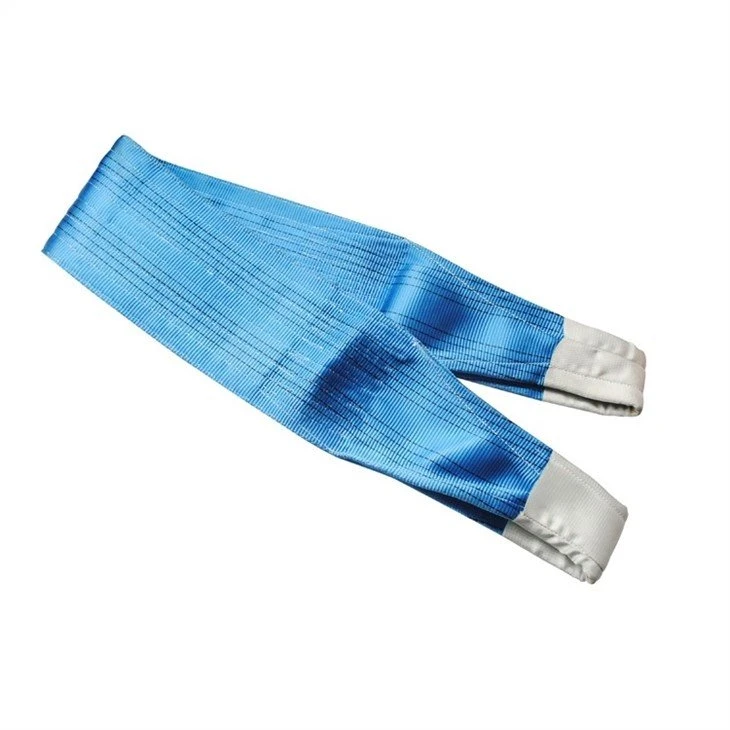

After scrubbing, rinse the slings thoroughly with clean water. You can use a hose or immerse the slings in a clean water bucket. Make sure all the soap is removed, as any residue can attract more dirt and potentially damage the webbing over time.
2. Machine Washing
If the slings are heavily soiled, machine washing can be an option. However, you need to be careful. First, check the manufacturer's instructions to see if machine washing is recommended. If it is, use a gentle cycle and a mild detergent. Avoid using bleach or harsh chemicals, as they can damage the webbing material.
Place the slings in a laundry bag to prevent them from getting tangled in the machine. After the wash cycle is complete, remove the slings and let them air dry. Do not use a dryer, as the high heat can shrink or damage the webbing.
3. Cleaning Chemical Contaminants
If the slings are contaminated with chemicals, it's a bit more complicated. First, identify the type of chemical. Some chemicals may require specific cleaning agents. For example, if the slings are contaminated with oil or grease, you can use a degreaser. But make sure the degreaser is safe for the webbing material.
Apply the cleaning agent according to the manufacturer's instructions. Let it sit for a few minutes to break down the contaminants, and then rinse thoroughly with water. If you're unsure about the chemical or the cleaning process, it's best to consult a professional.
Drying the Slings
Once the slings are clean, proper drying is crucial. As I mentioned earlier, avoid using a dryer. Instead, hang the slings in a well - ventilated area. Make sure they are fully extended so that air can circulate around them. This will help prevent mold and mildew growth.
Drying time can vary depending on the humidity and temperature. In general, it may take a few hours to a full day for the slings to dry completely. Check the slings periodically to ensure they are drying evenly.
Storage
After the slings are dry, proper storage is important to keep them in good condition. Store the slings in a cool, dry place away from direct sunlight. Sunlight can cause the webbing material to degrade over time. You can hang the slings on hooks or store them in a storage container.
Make sure the slings are not tightly packed or folded in a way that can cause creases. Creases can weaken the webbing, especially if they are left for a long time.
Our Webbing Slings Offerings
As a webbing slings supplier, we offer a wide range of high - quality webbing slings. Check out our Industrial Heavy Duty 4 Ply Flat Webbing Lifting Sling, which is designed for heavy - duty lifting applications. We also have En Standard Polyester Webbing Slings that meet international standards. And for those looking for a flat polyester woven option, our Flat Polyester Woven Webbing Sling is a great choice.
If you're in the market for webbing slings or have any questions about cleaning or maintenance, don't hesitate to reach out. We're here to help you make the right choice for your lifting needs. Whether you're a small business or a large industrial operation, we have the slings and expertise to support you.
Conclusion
Cleaning webbing slings is an important part of their maintenance. By following the tips in this blog, you can keep your slings clean, safe, and in good working condition. Remember to do a pre - cleaning inspection, choose the right cleaning method based on the type of dirt, dry the slings properly, and store them correctly.
If you're interested in purchasing webbing slings or need more information, feel free to contact us. We'll be happy to assist you with your procurement needs and answer any questions you may have.
References
- Industry standards on webbing slings maintenance
- Manufacturer's guidelines for webbing slings cleaning and care





