


Determining how often to replace your fishing wire rope is a crucial aspect of maintaining a successful and safe fishing operation. As a supplier of high - quality fishing wire ropes, I understand the importance of this decision and am here to provide you with comprehensive guidance.
Factors Affecting the Replacement Frequency of Fishing Wire Rope
1. Usage Intensity
The frequency of use plays a significant role in determining when to replace your fishing wire rope. If you are a commercial fisherman who uses the wire rope on a daily basis, the wear and tear will be much more rapid compared to a recreational angler who only fishes a few times a year. For commercial operations, the constant pulling, hauling, and exposure to the harsh marine environment can cause the wire rope to degrade quickly.
Commercial fishermen often engage in long - term fishing expeditions, where the wire rope is under continuous stress. For example, in deep - sea trawling, the wire rope has to withstand the weight of heavy nets filled with fish, as well as the drag from the water. This intense usage can lead to fatigue and corrosion over time. On the other hand, recreational fishermen may use the wire rope for a few hours on a weekend, resulting in less stress and slower degradation.
2. Environmental Conditions
The environment in which the fishing wire rope is used has a major impact on its lifespan. Saltwater is extremely corrosive, and if the wire rope is constantly exposed to it, the corrosion process will accelerate. In addition to saltwater, factors such as temperature, humidity, and the presence of abrasive materials can also affect the rope's durability.
In tropical regions, high temperatures and humidity can promote the growth of rust and other forms of corrosion. The combination of saltwater and high heat can cause the wire rope to weaken more rapidly. In areas with strong ocean currents or rough seas, the wire rope is also subjected to more mechanical stress, increasing the likelihood of damage.
3. Quality of the Wire Rope
The quality of the fishing wire rope you choose is a key factor in determining its replacement frequency. Higher - quality ropes are typically made from better materials and have more advanced manufacturing processes, which can result in a longer lifespan.
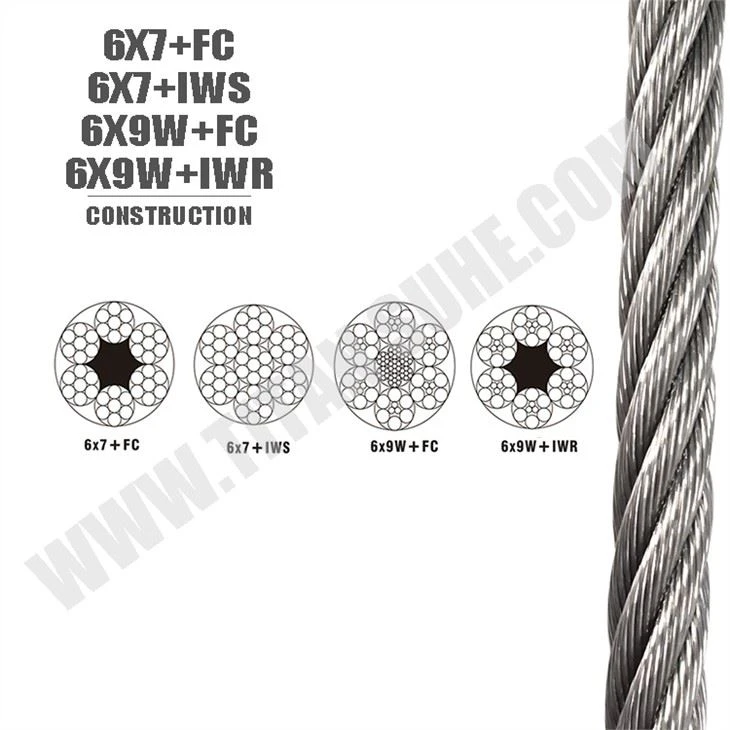
Our company offers a range of high - quality fishing wire ropes, such as Galvanized Fishing Wire Rope with Fiber Core and Commercial Carbon Steel Fishing Wire Ropes. These ropes are designed to withstand the harsh conditions of fishing, with features like galvanized coatings to resist corrosion and strong fiber cores for added strength.
General Guidelines for Replacement
1. Visual Inspection
Regular visual inspection is the first step in determining if your fishing wire rope needs to be replaced. Look for signs of wear, such as fraying, broken wires, or corrosion. If you notice any of these signs, it may be time to replace the rope.
For example, if you see a significant number of broken wires in a small section of the rope, it indicates that the rope's strength has been compromised. Corrosion can also weaken the wire rope, and if it has spread over a large area, replacement is likely necessary.
2. Time - Based Replacement
Even if there are no obvious signs of damage, it is still a good idea to replace the fishing wire rope based on a set time frame. For commercial fishing operations, it is recommended to replace the wire rope every 1 - 2 years, depending on the intensity of use. Recreational fishermen can extend this time frame to 3 - 5 years.
This time - based replacement ensures that the wire rope is in good condition and reduces the risk of failure during fishing. However, it is important to note that these are just general guidelines, and the actual replacement time may vary depending on the factors mentioned above.
3. Load and Stress Analysis
If you are using the fishing wire rope for heavy - duty applications, such as deep - sea fishing or large - scale commercial operations, it is important to conduct a load and stress analysis. This analysis can help you determine the maximum load the wire rope can handle and whether it is still within a safe operating range.
By understanding the stress levels on the wire rope, you can make a more informed decision about when to replace it. If the rope is consistently operating near or above its maximum load capacity, it may need to be replaced more frequently.

Benefits of Timely Replacement
1. Safety
The most important benefit of timely replacement of fishing wire rope is safety. A worn - out or damaged wire rope can break during use, leading to serious accidents. In commercial fishing, a broken wire rope can cause the loss of valuable equipment, such as nets and fishing gear, and even pose a risk to the lives of the fishermen.
By replacing the wire rope at the appropriate time, you can ensure that your fishing operations are safe and minimize the risk of accidents.
2. Efficiency
A new fishing wire rope is more efficient than an old, worn - out one. It can handle loads more effectively, reducing the time and effort required for fishing. This increased efficiency can lead to higher productivity and better catch rates.
For example, a new wire rope will have less friction, allowing the fishing gear to move more smoothly through the water. This can result in less energy consumption and more successful fishing trips.
3. Cost - Effectiveness
Although replacing the fishing wire rope may seem like an additional cost, it is actually a cost - effective measure in the long run. A worn - out wire rope is more likely to cause damage to other equipment, such as winches and pulleys, which can be expensive to repair or replace.
By replacing the wire rope on time, you can avoid these costly repairs and ensure that your fishing operation runs smoothly and efficiently.
Contact Us for Your Fishing Wire Rope Needs
If you are looking for high - quality fishing wire ropes and need more information about replacement frequency or our products, we are here to help. Our team of experts can provide you with personalized advice based on your specific fishing needs. Whether you are a commercial fisherman or a recreational angler, we have the right wire rope for you.
Don't hesitate to reach out to us for more details on our products and to start a procurement discussion. We are committed to providing you with the best fishing wire ropes and excellent customer service.
References
- American Society of Mechanical Engineers (ASME). (2017). Safety Standard for Cableways, Ropeways, Tramways, and Similar Devices.
- International Maritime Organization (IMO). (2018). Guidelines for the Safe Use of Fishing Gear.





