


In a bustling commercial or industrial building, the efficient operation of a freight elevator is crucial. As a seasoned supplier of freight elevators, I've witnessed firsthand the impact that an optimized freight elevator system can have on a building's productivity, safety, and overall functionality. In this blog post, I'll share some valuable insights and strategies on how to optimize the operation of a freight elevator in a busy building.
Understanding the Building's Needs
The first step in optimizing a freight elevator's operation is to comprehensively understand the building's specific requirements. Every building has unique characteristics, such as the type of goods being transported, peak usage times, floor layouts, and the volume of traffic. Conducting a detailed assessment of these factors will enable you to determine the most suitable elevator configuration and features.
For instance, if your building often deals with large and heavy items, you might need a Machine Room Freight Elevator that can handle higher load capacities. On the other hand, if space is limited, a Machine Roomless Freight Elevator could be a more practical choice.
Selecting the Right Elevator Type
When it comes to freight elevators, there are two primary types: machine room freight elevators and machine roomless freight elevators. Each type has its own set of advantages and is suitable for different building scenarios.
Machine room freight elevators are known for their robustness and ability to handle large loads. They typically have a separate machine room where the elevator's control systems and machinery are housed. This isolation can reduce noise and vibration within the elevator car, providing a more comfortable environment for operators. However, they do require additional space for the machine room, which can be a limitation in some buildings.
Machine roomless freight elevators, as the name suggests, do not require a separate machine room. This design saves valuable floor space and can be more cost - effective in terms of construction and installation. They are also equipped with advanced technology that allows for efficient operation and can be a great option for buildings with limited space or modern architectural designs.
Implementing Advanced Traffic Management Systems
In a busy building, efficient traffic management is key to optimizing the operation of a freight elevator. Advanced traffic management systems use sensors, algorithms, and real - time data to analyze elevator usage patterns and allocate resources effectively.
These systems can predict peak demand periods and adjust the elevator's operation accordingly. For example, during times of high traffic, the system can prioritize elevator calls based on the urgency of the delivery, ensuring that critical shipments are transported first. Additionally, it can group passengers or loads going to the same or nearby floors, reducing the number of stops and improving overall travel time.
Some advanced traffic management systems also offer features such as destination control. Instead of passengers pressing a simple up or down button, they enter their desired floor at a kiosk. The system then assigns them to the most appropriate elevator, further streamlining the process.
Ensuring Regular Maintenance and Inspections
Regular maintenance is essential for the optimal operation of a freight elevator. A well - maintained elevator not only reduces the risk of breakdowns but also extends its lifespan.
As a freight elevator supplier, I recommend establishing a comprehensive maintenance schedule. This schedule should include routine inspections, lubrication of moving parts, checking of safety devices, and software updates. It's also important to keep detailed records of all maintenance activities, which can help identify any recurring issues and track the elevator's performance over time.
In addition to regular maintenance, prompt repairs are crucial. If an issue is detected during an inspection or reported by a user, it should be addressed immediately. Delaying repairs can lead to more significant problems, increased downtime, and potentially dangerous situations.
Training Operators
Proper training of elevator operators is often overlooked but is a critical factor in optimizing elevator operation. Operators should be familiar with the elevator's controls, safety features, and emergency procedures.
Training should cover topics such as how to load and unload freight safely, how to operate the elevator in different scenarios (e.g., with heavy loads or multiple stops), and what to do in case of an emergency. Well - trained operators are not only more efficient but also contribute to a safer working environment.
It's also a good idea to provide ongoing training and refresher courses to keep operators up - to - date with the latest safety regulations and best practices.
Incorporating Safety Features
Safety should always be a top priority when optimizing the operation of a freight elevator. Modern freight elevators come equipped with a variety of safety features that can help prevent accidents and ensure the well - being of users.
Some common safety features include overload protection, which prevents the elevator from operating if the load exceeds its rated capacity. Emergency stop buttons should be easily accessible inside the elevator car and at each floor. Additionally, door interlocks prevent the elevator from moving if the doors are not properly closed.
Another important safety feature is the presence of emergency lighting and ventilation inside the elevator car. In case of a power outage or other emergency, these features can provide a safe and comfortable environment for passengers until help arrives.
Improving Communication Systems
Effective communication is essential for the smooth operation of a freight elevator. Installing communication systems such as two - way intercoms between the elevator car and the building's control room or security office can greatly enhance safety and efficiency.
In the event of an emergency or a technical issue, operators can quickly communicate their situation and receive assistance. Communication systems can also be used for regular updates, such as informing operators of maintenance schedules or any changes in elevator operation.
Monitoring and Data Analytics
In today's digital age, monitoring and data analytics play a crucial role in optimizing elevator operation. By collecting and analyzing data on elevator usage, performance, and maintenance history, building managers can make informed decisions.
For example, data analytics can help identify patterns in elevator usage, such as peak hours and frequently used floors. This information can be used to adjust the elevator's operation, such as adjusting the traffic management system settings or scheduling additional maintenance during off - peak hours.
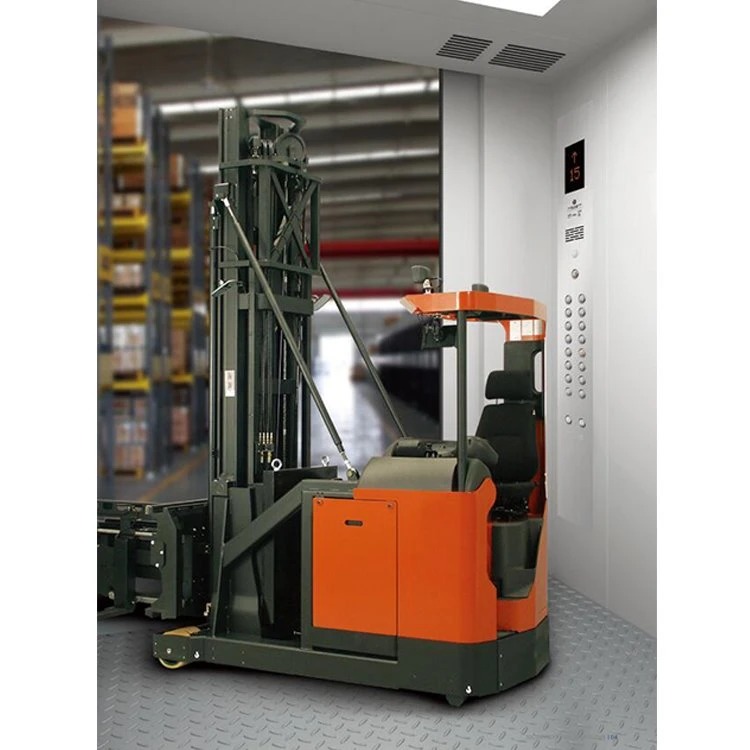

Real - time monitoring can also detect any potential issues before they become major problems. Elevators can be equipped with sensors that send alerts to maintenance teams if there are any abnormal readings, such as unusual vibrations or temperature spikes.
Contact for Purchase and Consultation
If you're looking to optimize the freight elevator operation in your busy building or need to purchase a new freight elevator, we're here to help. Our team of experts has extensive experience in providing customized solutions for various building needs. Whether you require a Machine Room Freight Elevator or a Machine Roomless Freight Elevator, we can offer in - depth consultations and high - quality products. Don't hesitate to reach out to us to discuss your specific requirements and explore the best options for your building.
References
- "Elevator Maintenance and Troubleshooting Handbook"
- "Building Elevator Design and Installation Guidelines"
- Research papers on elevator traffic management systems from industry - leading journals





