D shackles and bow shackles, know as chain shakle and anchor shackle, are widely used in lifting, rigging, and marine systems. Although both serve as lifting connecting components, their structural design determines how loads are applied and distributed.
Shape
D shackle has straight, narrow body. The load is transferred along the centerline of the shackle, making it suitable for linear, in-line loading.
Bow shackle has a wider, rounded body, like omage shape. The curved bow provides more internal space and allows the load to be applied at different angles.
Load Direction Capability
D shackles are designed for straight-line loads only. Side loading or angular loading significantly reduces their effective working load and can cause deformation.
Bow shackles can accommodate angular loading and multiple connection points. The wider body helps distribute stress more evenly when loads are not perfectly aligned.
Typical Applications
D shackles are commonly used in:
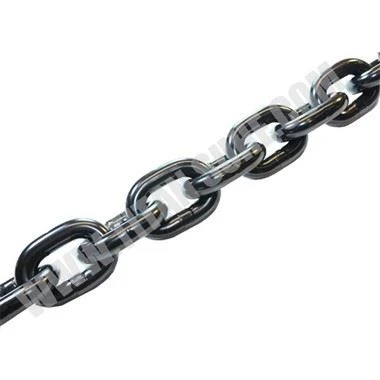
- Chain connections
- Straight lifting lines
- Fixed or static load systems
Bow shackles are typically used in:
- Multi-leg sling assemblies
- Marine and offshore operations
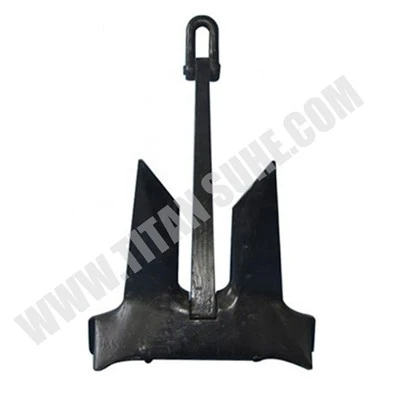
- Towing, mooring, and anchoring systems
Connection Flexibility
Due to limited internal space, D shackles are best suited for single-point connections, while bow shackles provide sufficient clearance for multiple slings, ropes, or fittings, reducing stress concentration at the pin and body.
Strength and Load Rating Considerations
When manufactured to the same standard and size, D shackles and bow shackles may have similar rated working load limits. When using the shackle, actual performance depends on load direction. D shackle under side load experiences a rapid reduction in allowable capacity, while a bow shackle maintains better load distribution under angled conditions.
Pin Options
Both shackle types are available with: Screw pin, Bolt-type pin with cotter; Pin selection depends on whether the connection is temporary, permanent, or subject to vibration, rather than on shackle shape.
In conclusion, Use D shackles for straight, in-line loading with controlled load direction, Use bow shackles where angular loading or multiple connections are required. Correct shackle selection improves load stability and reduces the risk of improper stress during operation.